





From Paris and Budapest to New York and Melbourne, these are some of the most beautiful and distinctive cinemas around the world.
What makes a cinema special isn’t just the big screen and crystal-clear sound, but the allure of the auditorium as well. According to Time Out, the sense of storytelling begins before we grab our popcorn and settle into our seats. There are cinemas that stand out for so many reasons: their history, their architecture, and their beauty. From New York to Melbourne and from Budapest to Amsterdam, these are 10 of the most distinctive cinemas across the globe.
Le Grand Rex, Paris
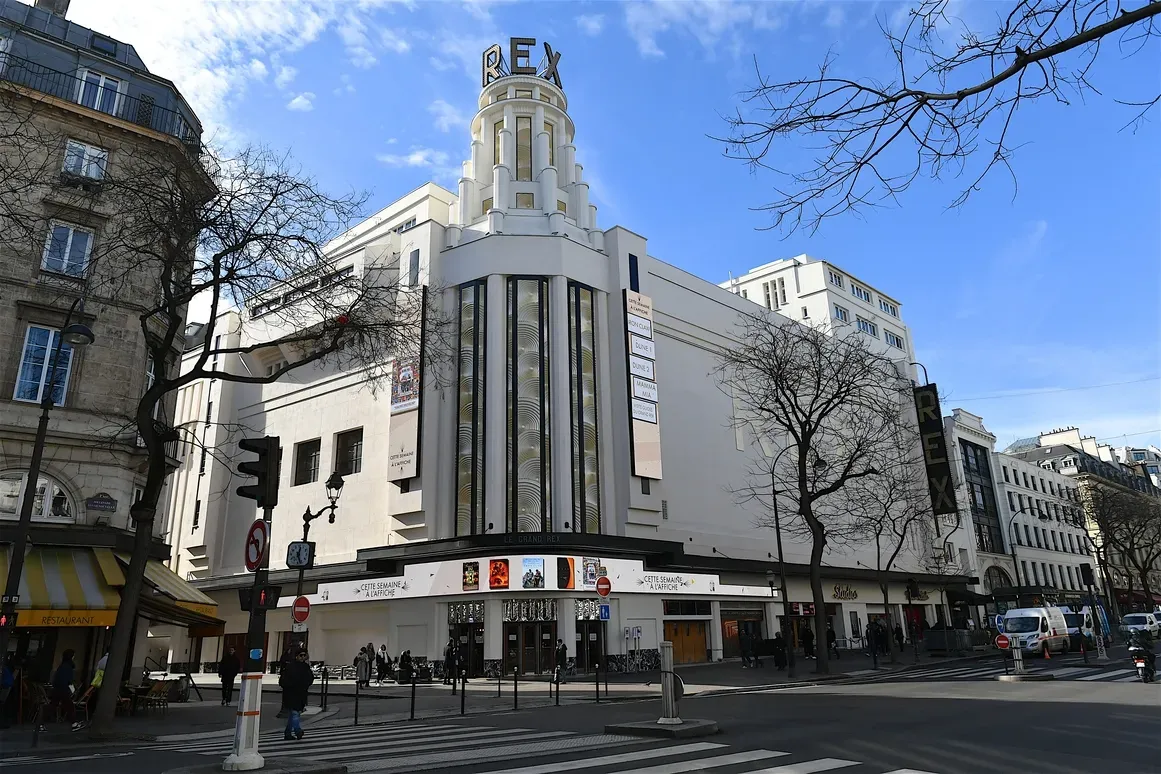
One of Paris’s most beloved cinemas, Le Grand Rex was renovated in 2022. Its new façade restored its original 1932 style with the large rooftop sign, the only rotating one in the city. In total it has seven auditoriums, the largest seating more than 2,500 spectators. City premieres have long been hosted here with the most popular films of each era, from Hitchcock’s The Birds to Star Wars. The building houses the Rex Club in its basement, where France’s biggest DJs, such as Laurent Garnier and David Guetta, have played.
Pathé Koninklijk Theater Tuschinski, Amsterdam
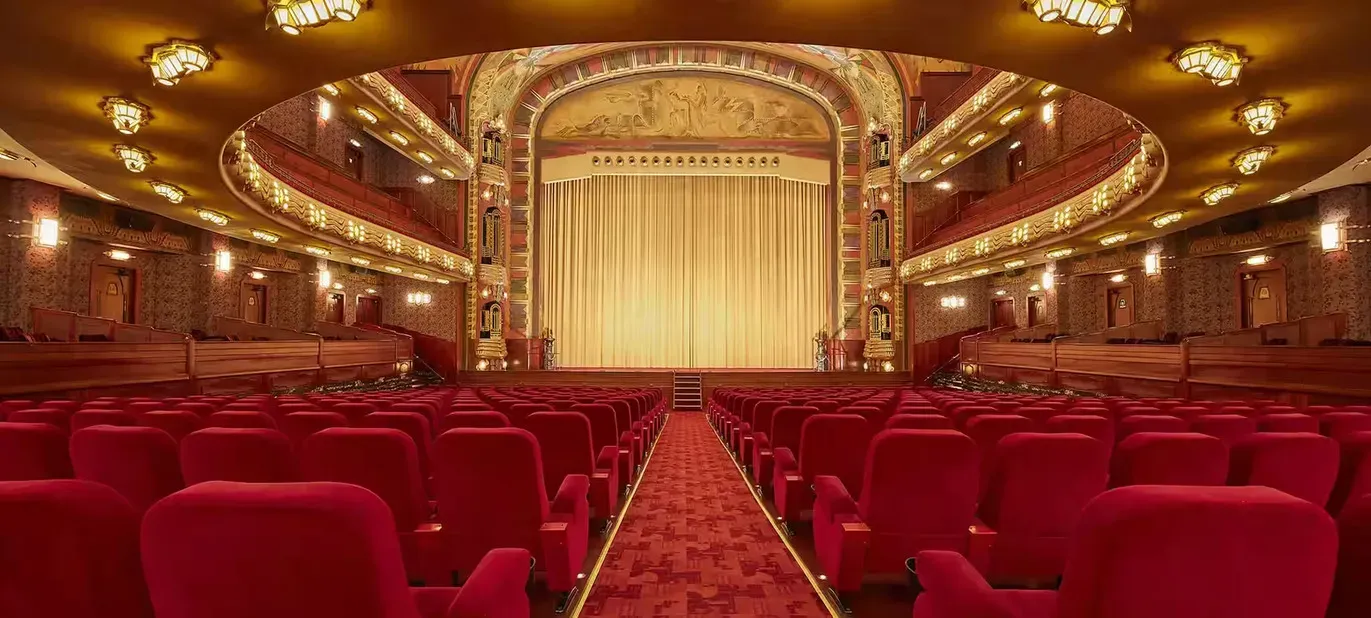
A palatial cinema with an impressive lobby that features a plaque dedicated to its founder, Abraham Tuschinski. Its elegant blend of Art Deco and Art Nouveau architecture, with modernist flourishes, brings Amsterdam filmmakers’ dreams to life. Pathé Koninklijk Theater Tuschinski opened in 1921 and was refurbished in 2019, preserving its historic touches and murals. It stands out for the sleek Bar Abraham -the cinema’s bar- that serves film-inspired cocktails.
Village East Cinema, New York
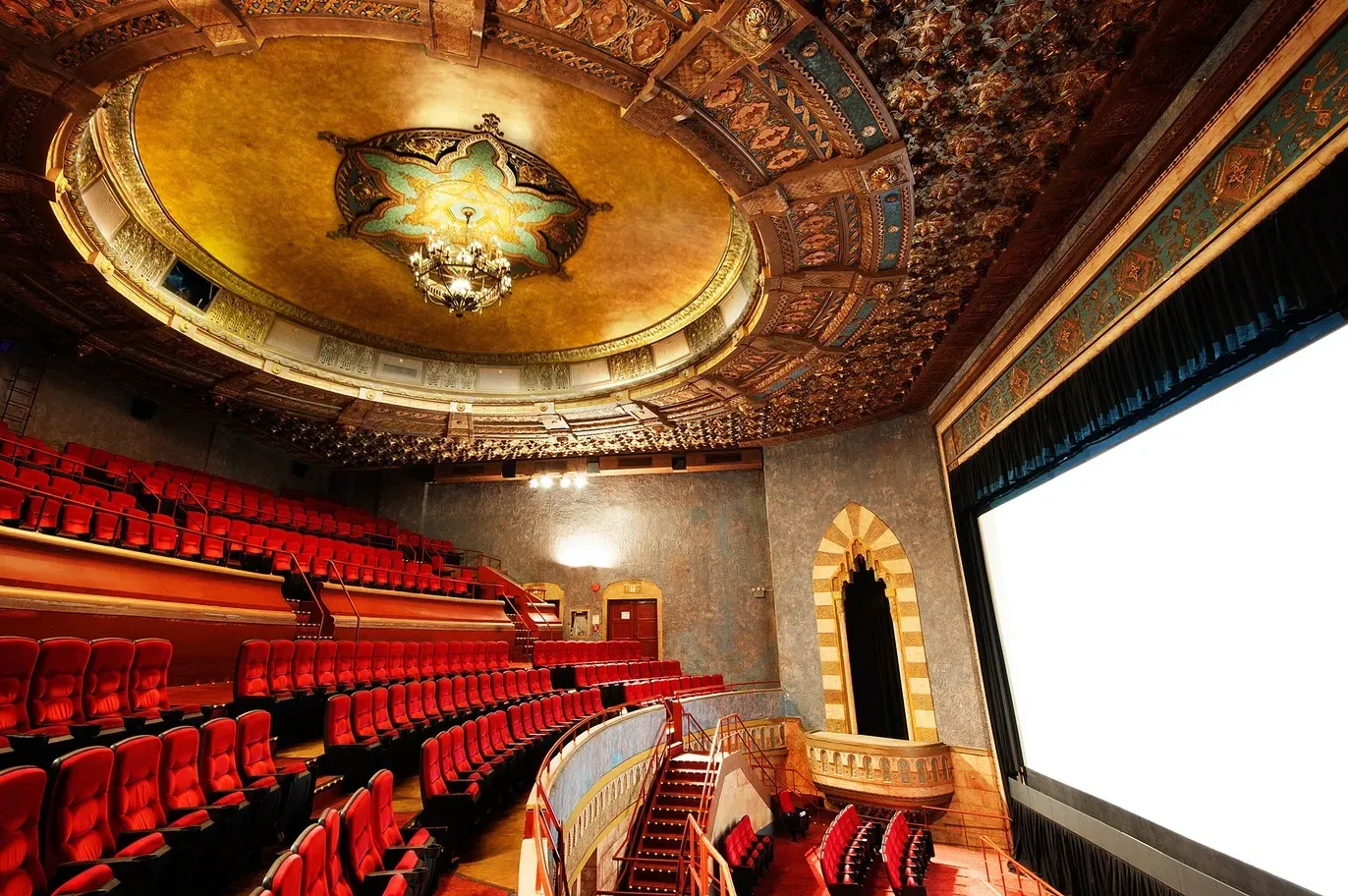
With its unassuming façade, it graces New York’s East Village. The five-screen cinema is a 440-seat palace, with architectural influences from the Moorish Revival. Village East Cinema was built in the 1920s in the area that was once the heart of the city’s theater scene. Its ornate decoration dazzles and creates a magical setting for the viewer. In fact, actor Walter Matthau worked there in his youth.
Cineteca Madrid, Madrid
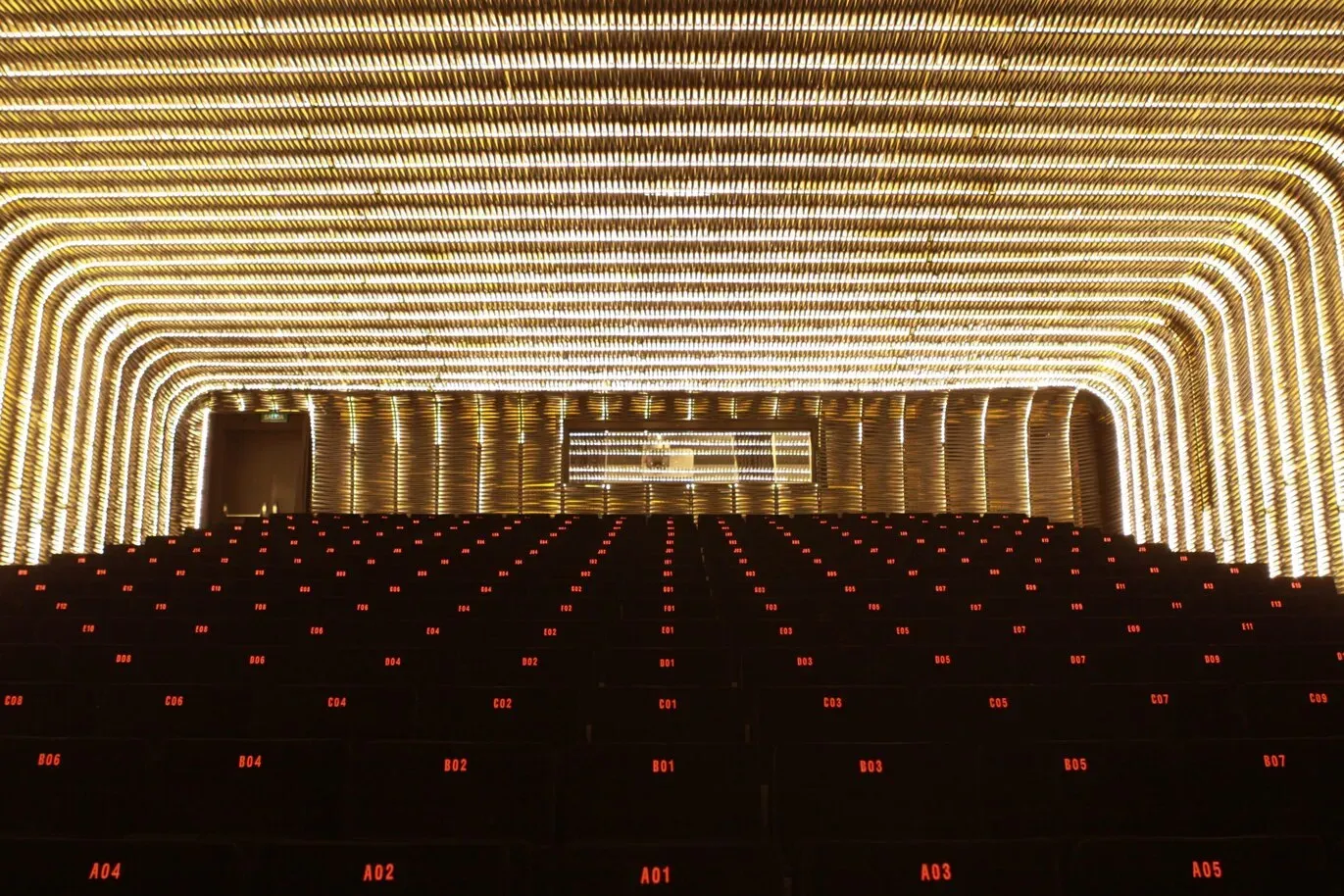
Spain’s only cinema devoted almost exclusively to non-fiction films sits in Madrid’s old Matadero, which was a slaughterhouse in the 1900s. The cinema opened in 2011 and is divided into three theaters, named after Spanish screenwriters Azcona, Plato and Borau. Its programming emphasizes indie films and the screening of local filmmakers and artists. Thanks to its location and history, Cineteca is the ideal place to watch Rocky.
Electric Cinema, London
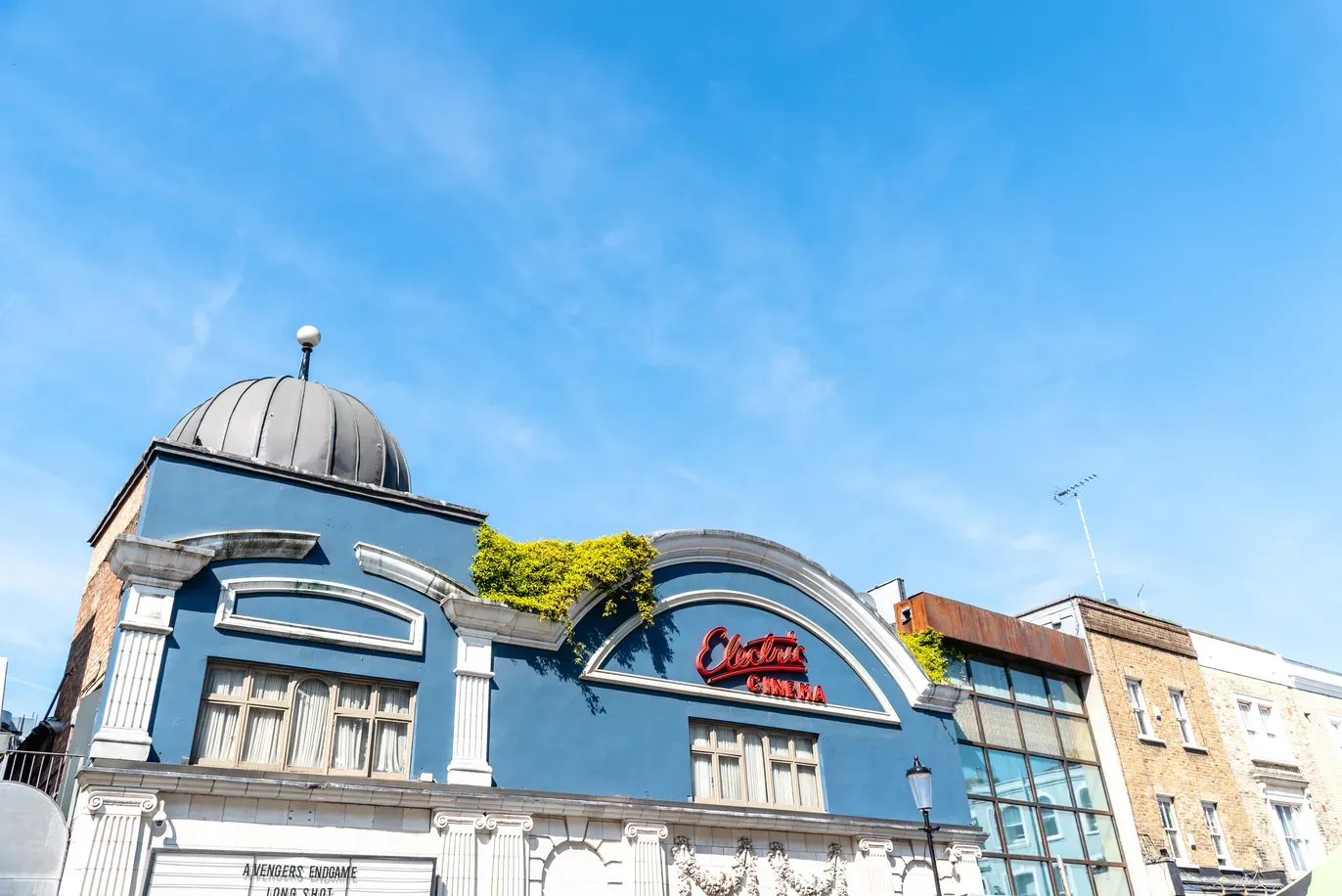
Amid the antiques shops and boutiques of Portobello Road in Notting Hill lies one of the world’s best-known cinemas. Electric Cinema, with its baroque aesthetic and comfortable seating, opened in 1911 with a screening of the 25-minute silent film, Henry VIII. With the 7-pound ticket, audiences received a bun and an orange. Today, the queue for drinks and snacks evokes the feel of a West London market.
Cinema Dei Piccoli, Rome
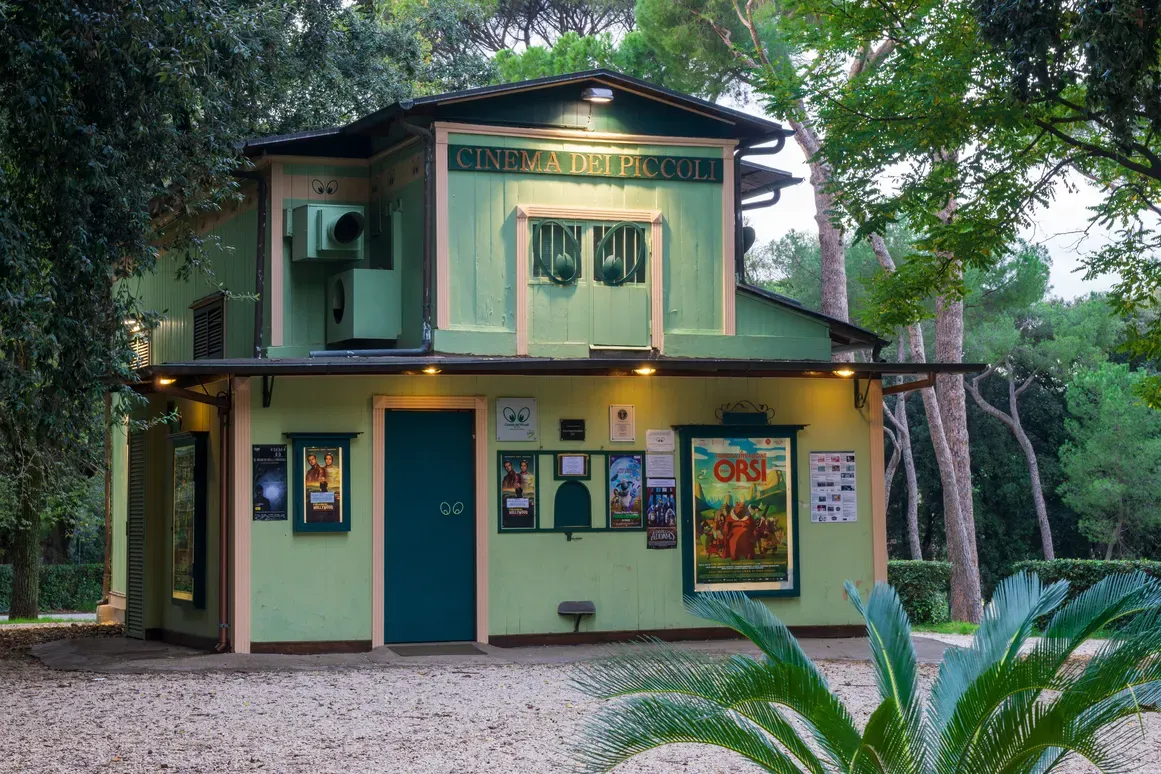
Set within the famous gardens of Villa Borghese, Dei Piccoli was once the smallest cinema in the world, with 63 seats and a screen covering just 71 sq m. When it first opened in 1934, the tiny cinema screened films using only one projector and a bedsheet. It has long been a favorite for Rome’s children and for a time was called Casa di Topolino or Mickey Mouse House.
The Astor Theatre, Melbourne
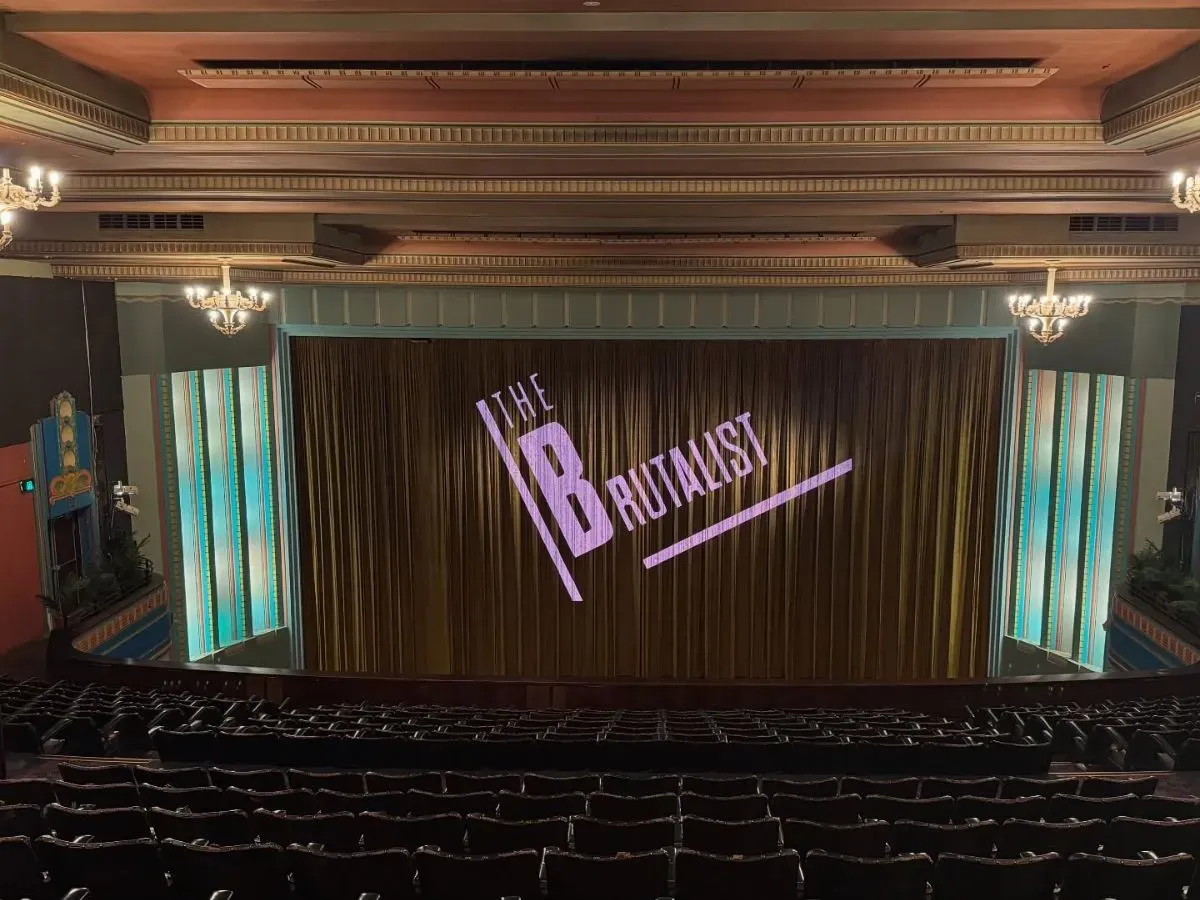
Dating to 1936, it is the oldest theater with a screen in Melbourne. The Astor Theatre is an Art Deco gem that seats around 1,600 and is regularly packed when classics like Godzilla, Lord of the Rings or Nightmare on Elm Street are shown. It hasn’t changed much over the decades, with the velvet curtains, carpet, piano and 1930s film posters still in place. Its mascot is the resident cat, Duke, named after Isaac Hayes’s character in Escape from New York.
Puskin Art Cinema, Budapest
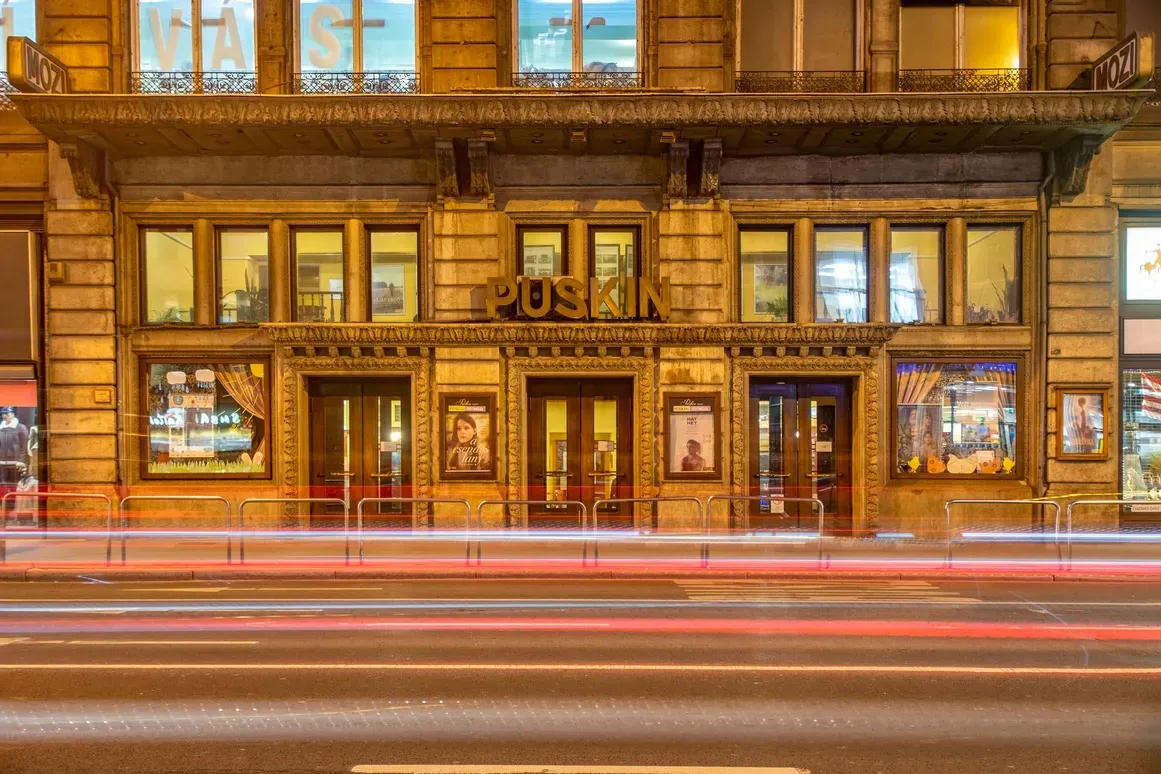
The marble columns of Puskin Art Cinema speak to a history dating back to 1926. In 1929 it hosted the premiere of the first talking picture shown in Hungary, Al Jolson’s The Singing Fool. Since 2013, it has been divided into five halls named after films that cover Pushkin’s life: Metropolis, Amarcord, Annie Hall, Mephisto and the Hungarian drama Körhinta. In the largest, the viewer is transported back in time by marble columns, wooden seats and a ceiling with golden hues.
Cine Doré Filmoteca Española, Madrid
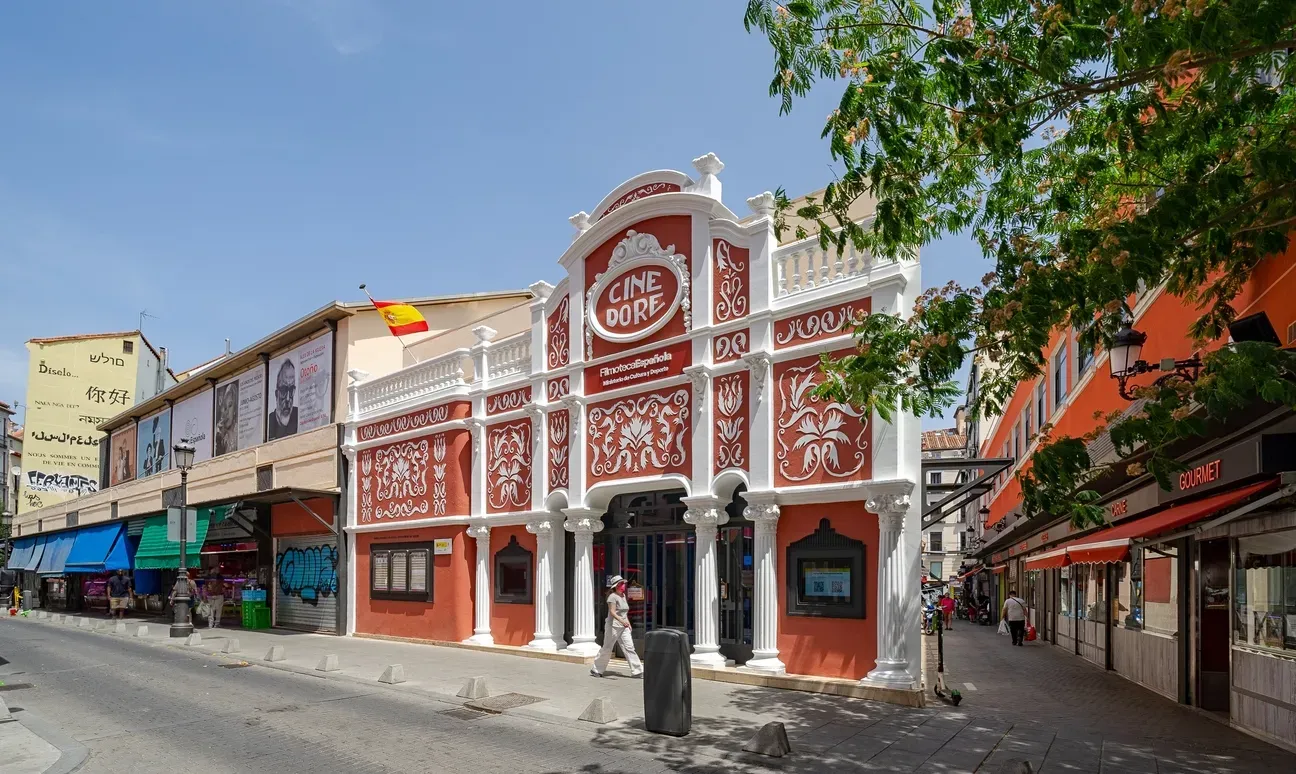
This historic cinema dates to 1923 and its Art Deco façade has survived the decades. Cine Doré Filmoteca Española had remained closed for twenty years, but in 1989 it was renewed and housed the Spanish Film Archive. Its program is a paradise for cinephiles, including everything from Hitchcock to Jarmusch. It is one of Pedro Almodóvar’s favorite cinemas and also appears in his films Talk to Her and Pain and Glory.
Le Champo, Paris
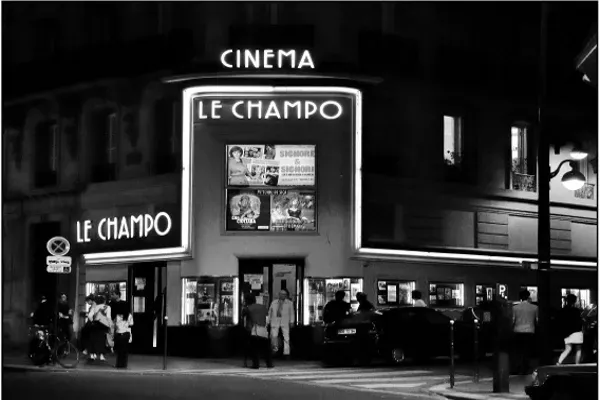
On the corner of Rue des Écoles and Rue Champollion, the charming Le Champo was made famous by French New Wave directors François Truffaut and Claude Chabrol, who were regulars in the ’60s and ’70s. It’s popular among directors from abroad as well, with Quentin Tarantino and Jim Jarmusch frequenting its bar when they’re in Paris.