





A stroll with the scent of history through atmospheric Greek castle towns.
A wonderful idea for the first getaways of autumn are also the castle towns of our country. Passing through their gates, it’s like stepping into a time machine and losing yourself in the land’s history. Castles and walls, labyrinths of cobbled lanes, palaces, mansions and churches sweep you away on a different kind of journey. Join us on an autumn stroll through 4 enchanting castle towns of mainland Greece.
Ioannina
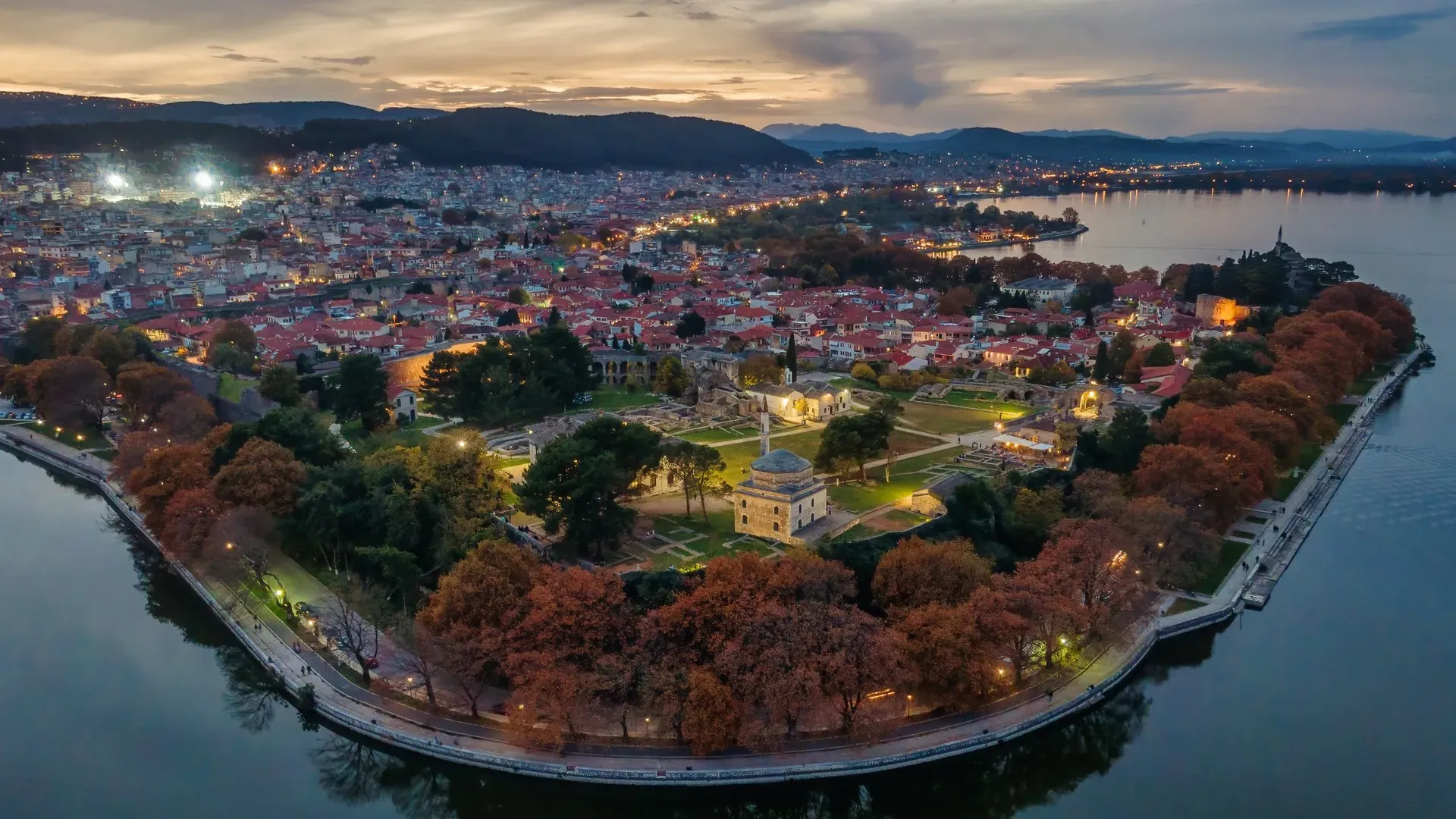
Autumn is the best season to discover Ioannina, the city of silversmiths, students, legends and traditions. Averof Street will lead you to the imposing Castle, built on the small rocky peninsula that juts into Lake Pamvotida. During the Ottoman Empire the castle of the city of Ioannina was the largest administrative center in all of Greece.
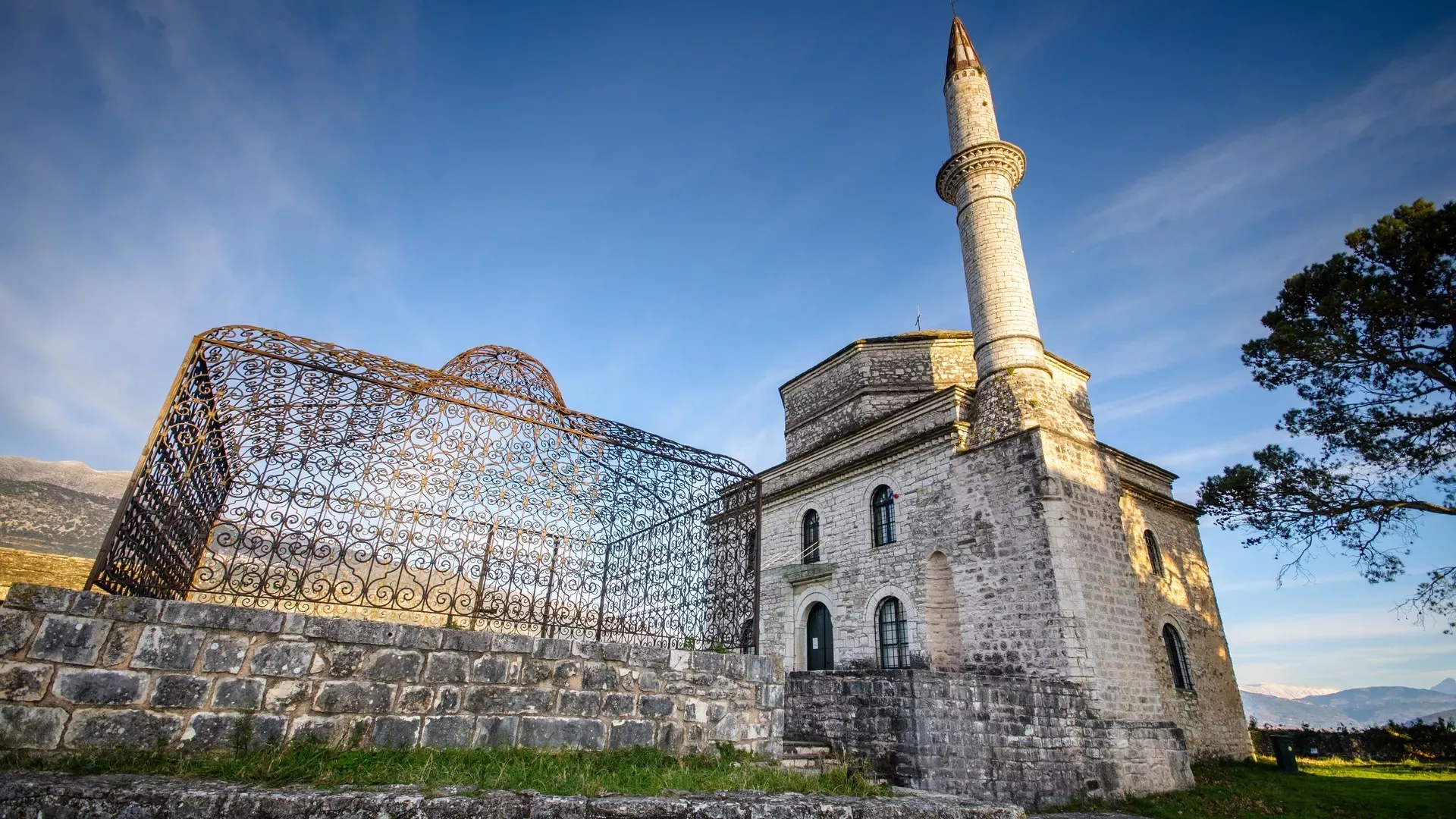
Today, within the walls, a city within the city breathes: an enchanting neighborhood of labyrinthine alleys, old houses and an atmosphere of another era. The castle is divided into four sections: the outer enclosure, the NW acropolis, where theAslan Mosque dominates, the SE acropolis with the famed Its Kale and, finally, the Castle Town. On this walk you will see some of the citys most important sights: the Aslan Pasha Mosque, which today houses the Municipal Ethnographic Museum, the Fethiye Mosque and the tomb of Ali Pasha, the excellent Museum of Silversmithing and the Byzantine Museum.
Nafpaktos
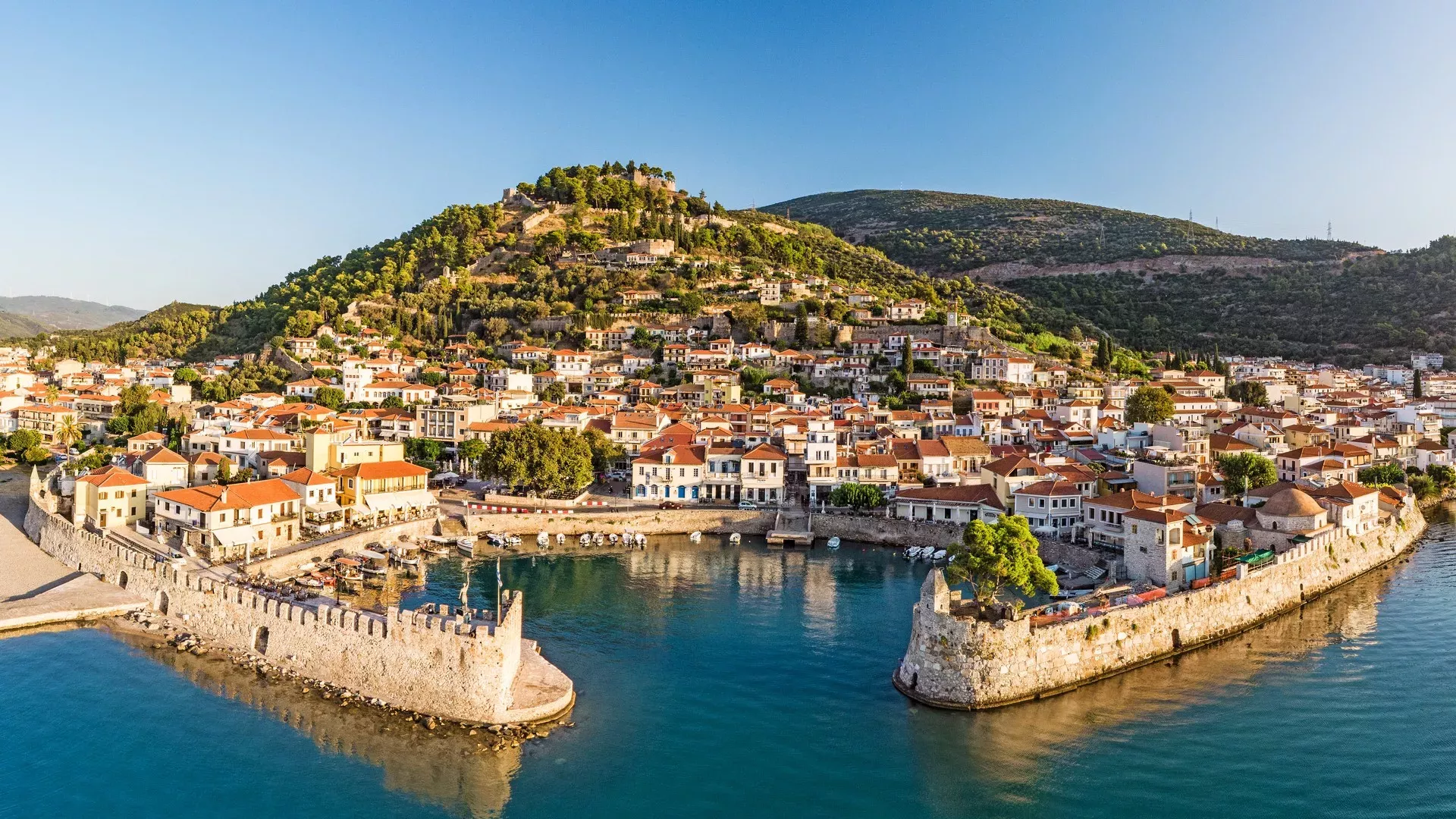
Built between Antirrion and the mouth of the Mornos River, at the entrance to the Gulf of Corinth, Nafpaktos retains its traditional character intact and transports visitors back in time with its Venetian harbor and well-preserved castle. The Venetian harbor, with the two towers that close its entrance, is the citys trademark. It formed part of the fortification of medieval Nafpaktos, while today it serves as a meeting point for locals throughout the day.
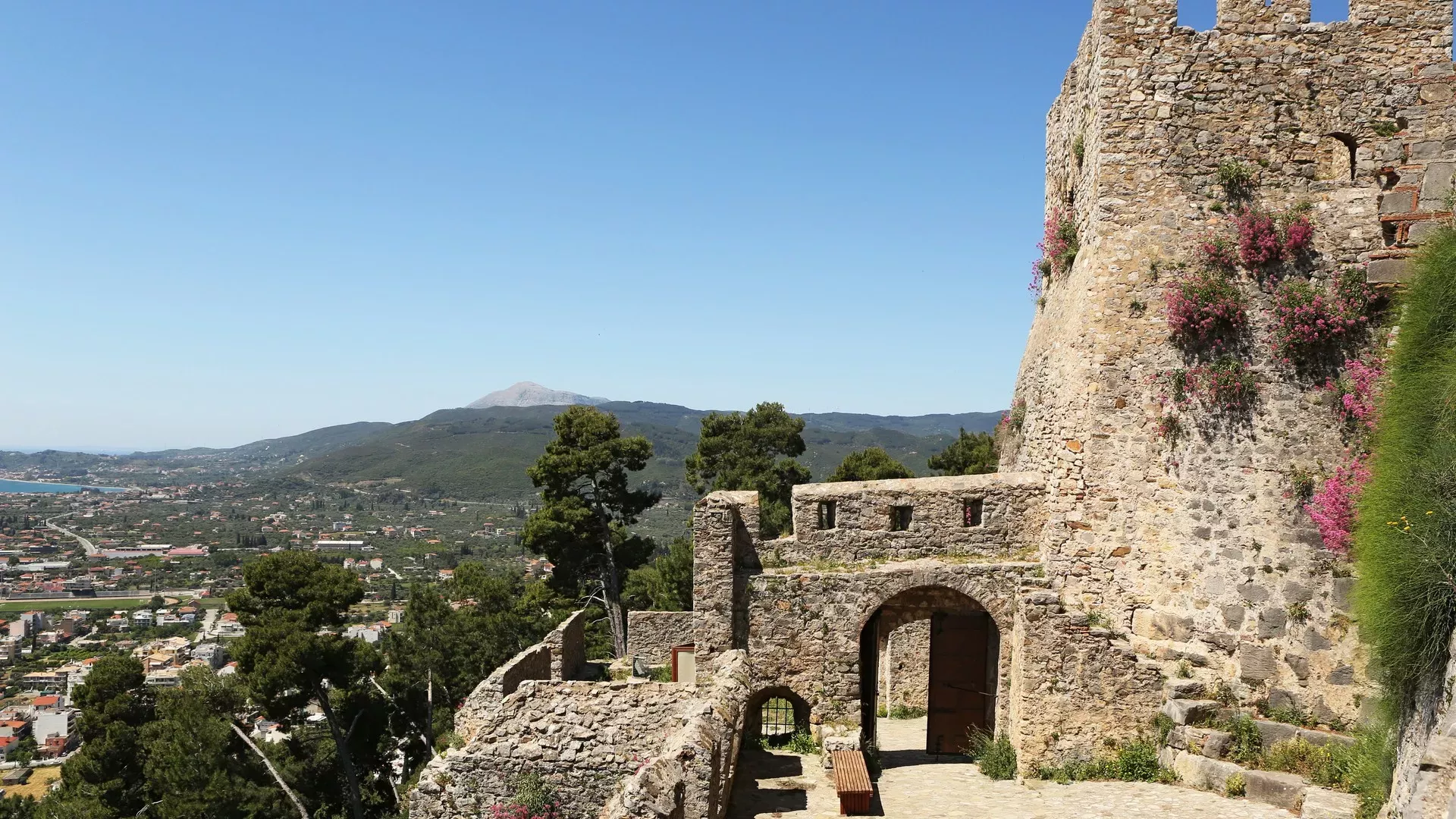
The Venetian castle atop the hill captivates with the impressive view it offers. By night, with the illuminated Rio-Antirrio Bridge in the background, the sight becomes even more spectacular. The castle of Nafpaktos is one of the best-preserved examples of fortress architecture in Greece. It owes its present form to the Venetians who built atop the ancient fortification, while the other «owners» added their own stamp.
Monemvasia
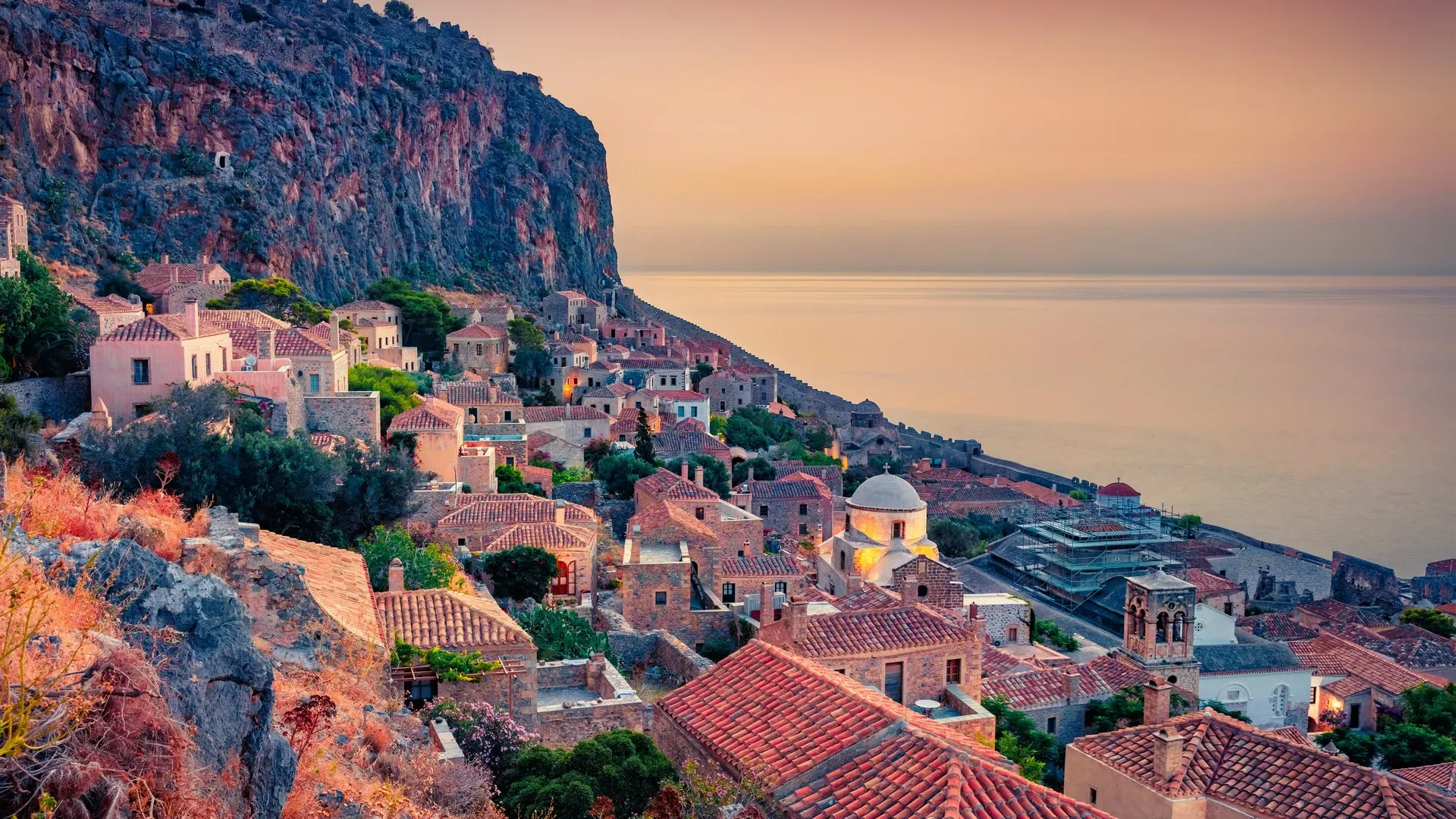
Within the medieval walls of Monemvasia lies one of the most well-preserved and vibrant castle towns in Greece. Monemvasias castle enchants visitors at first sight. And at this time of year, it has a special allure. Passing through the main gate, the stroll begins through a flawlessly preserved medieval settlement with old mansions and Byzantine churches that coexist harmoniously with traditional guesthouses, dozens of shops, restaurants and cafes.
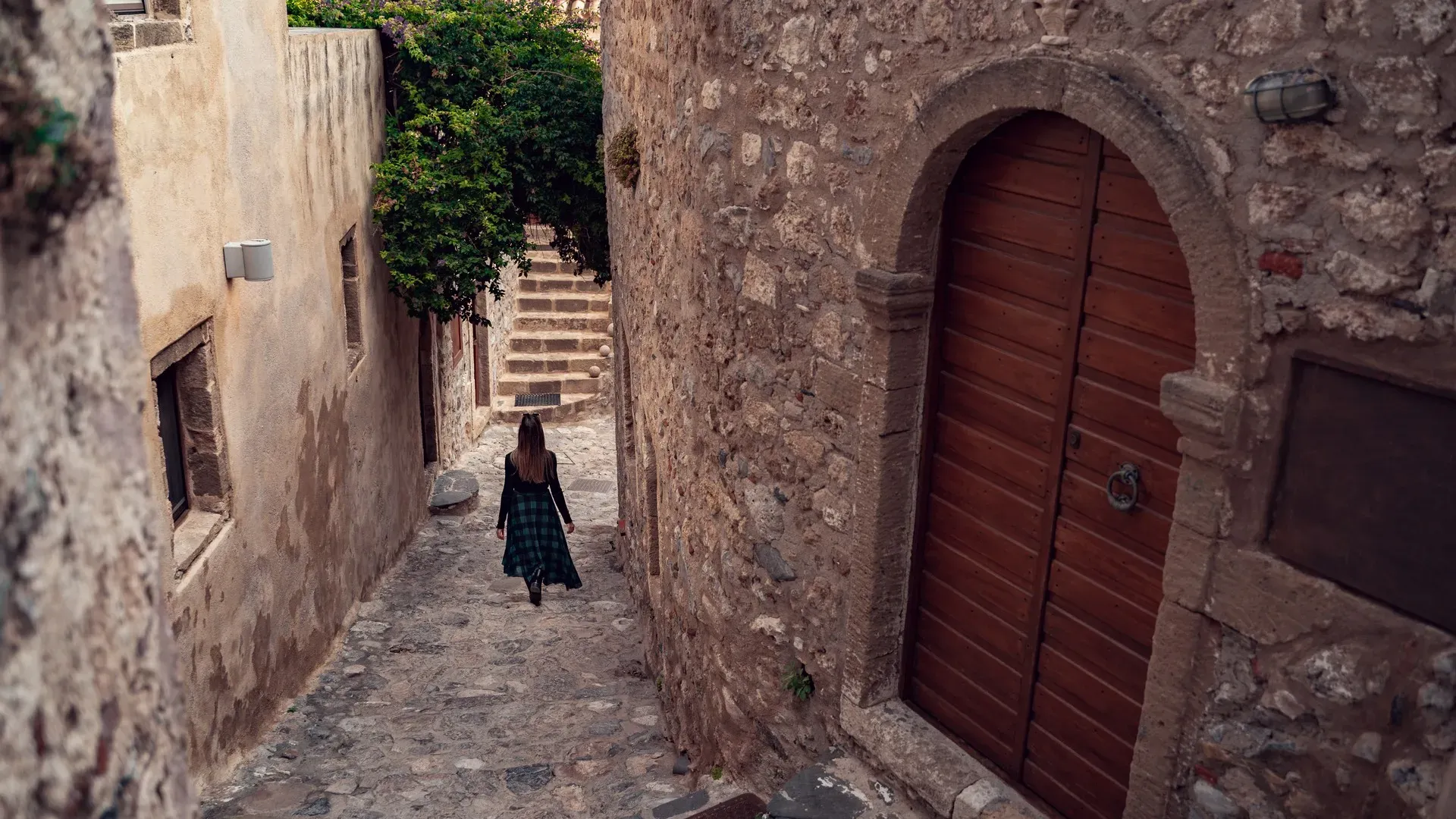
In the main square with the famed cannon pointing toward the sea, you’ll find the Archaeological Museum, and you will also see the renowned Church of Christ in Chains, with rare icons, among which the Crucifixion stands out. In the Upper Town, at the edge of a cliff, 300 meters above the Myrtoan Sea, stands the Church of Agia Sophia, built in the 12th century. From here the view of Monemvasia and the sea that spreads at its «feet» is spellbinding.
Mystras
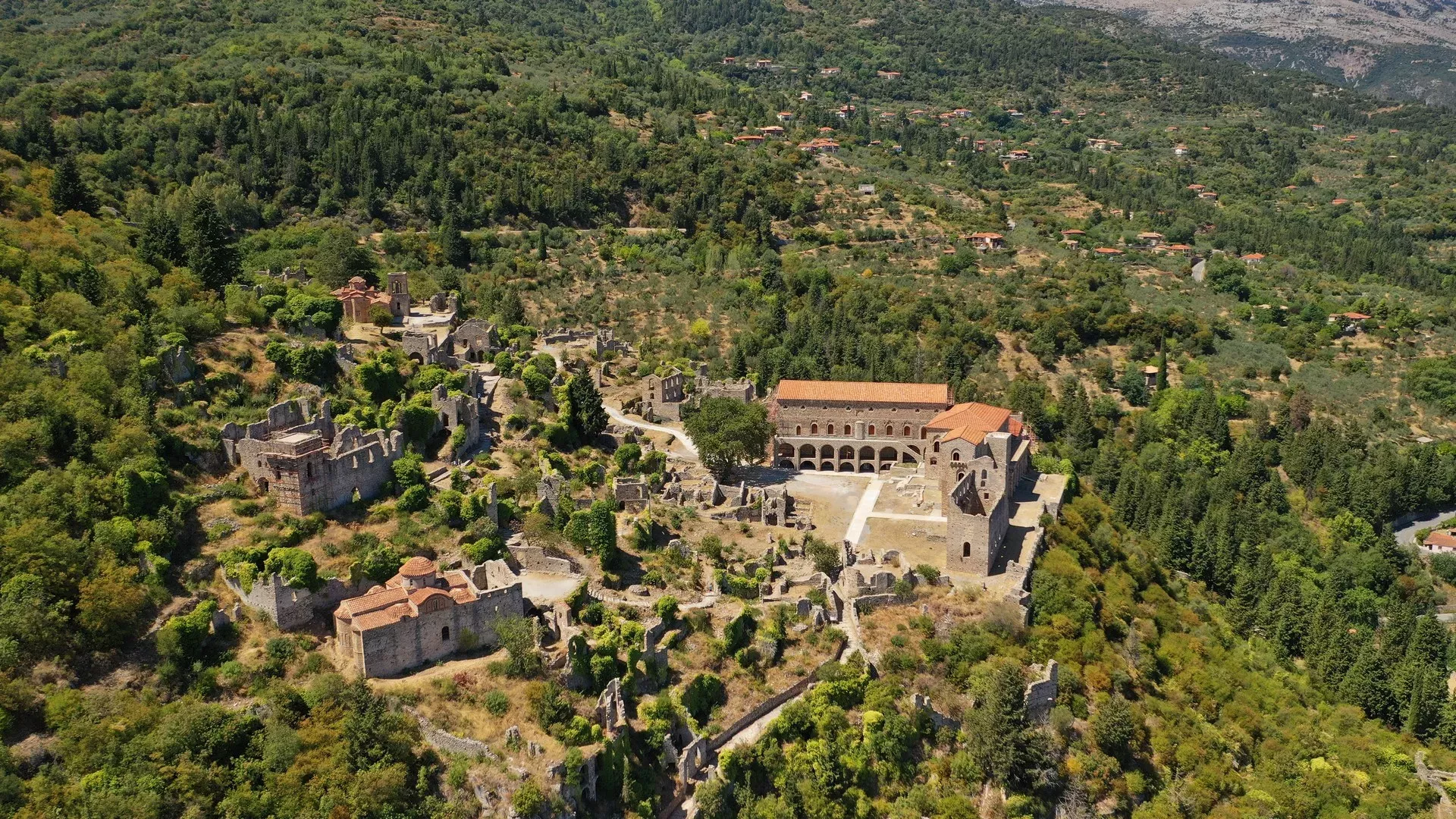
At the foot of Taygetus, 5 km northwest of Sparta, rises the hill of Mystras, full of ruins and history. It is one of the countrys most important castle towns, which in 1989 was designated by UNESCO as a World Heritage Site. The history of Mystras begins in the mid-13th century, when the conquest of the Peloponnese by the Franks was completed and William II of Villehardouin built a strong wall and castle on the summit of a hill called Mystras or Myzithras. Over the years, an entire castle town developed that passed into the hands of the Byzantines, the Ottomans and the Venetians.
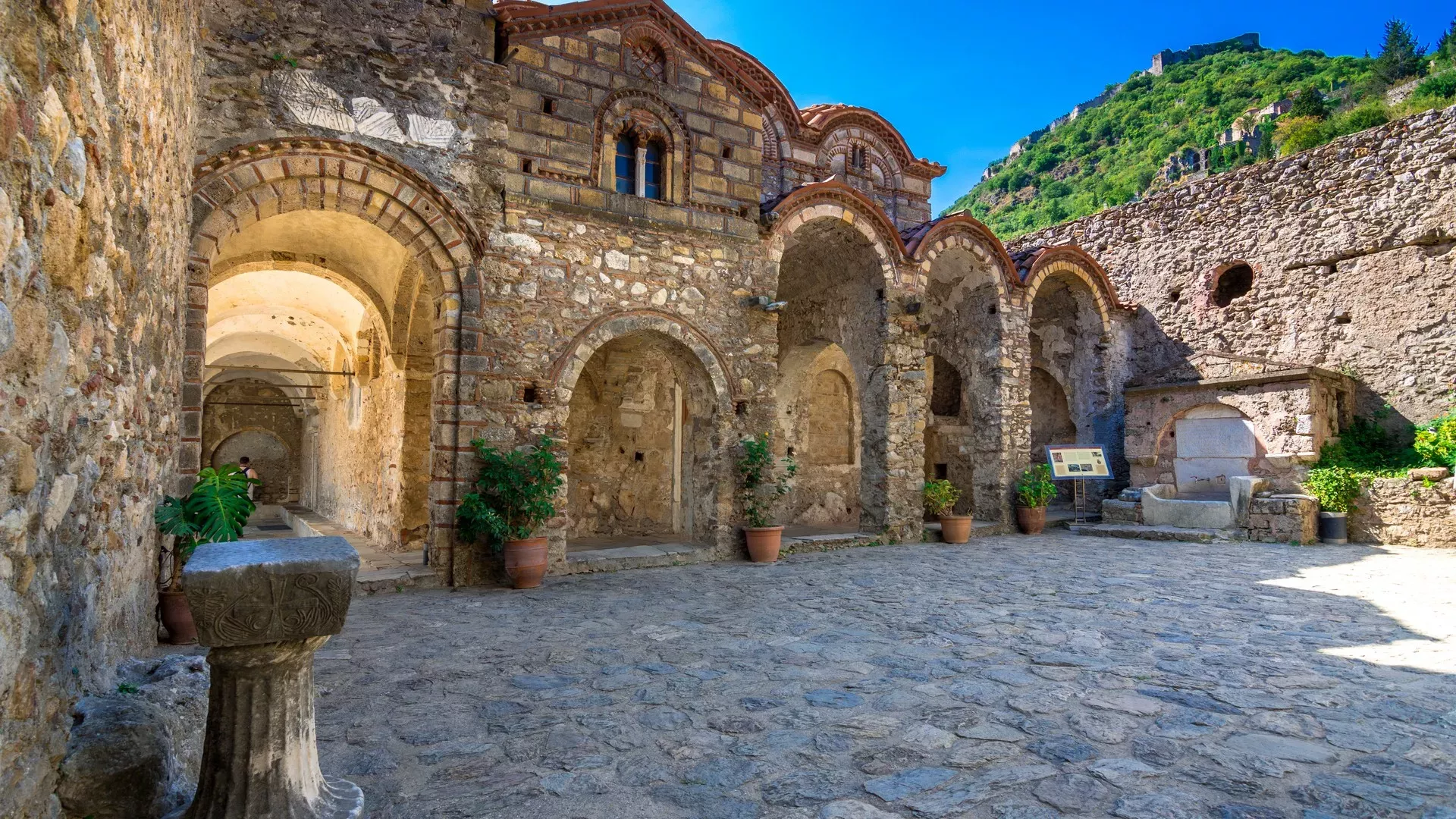
The archaeological site consists of the medieval castle and the fortified settlement, which encloses within its walls monasteries, churches, chapels, houses and palaces. The best-known surviving monuments are the imposing Agia Sophia, the Palace of the Despots, the Monastery of Pantanassa, the Metropolis (or Agios Dimitrios), Agioi Theodoroi and Panagia Odigitria, while on the southern side of the Lower Town there are the ruins of the mansions of Laskaris and Fragkopoulos. The museum perfectly rounds off a tour of one of the most important archaeological sites in Greece.