





History, tradition and natural beauty blend uniquely in these places that celebrate Epiphany with distinctive local customs.
At Epiphany, beyond the customary Blessing of the Waters and the casting of the cross into the sea, in many regions of Greece local customs and folk rituals are revived that have remained unchanged over time, drawing hundreds of visitors who want to watch them up close. Below are three distinct destinations for a short getaway thatcombines natural beauty with tradition and unique customs.
Ermioni
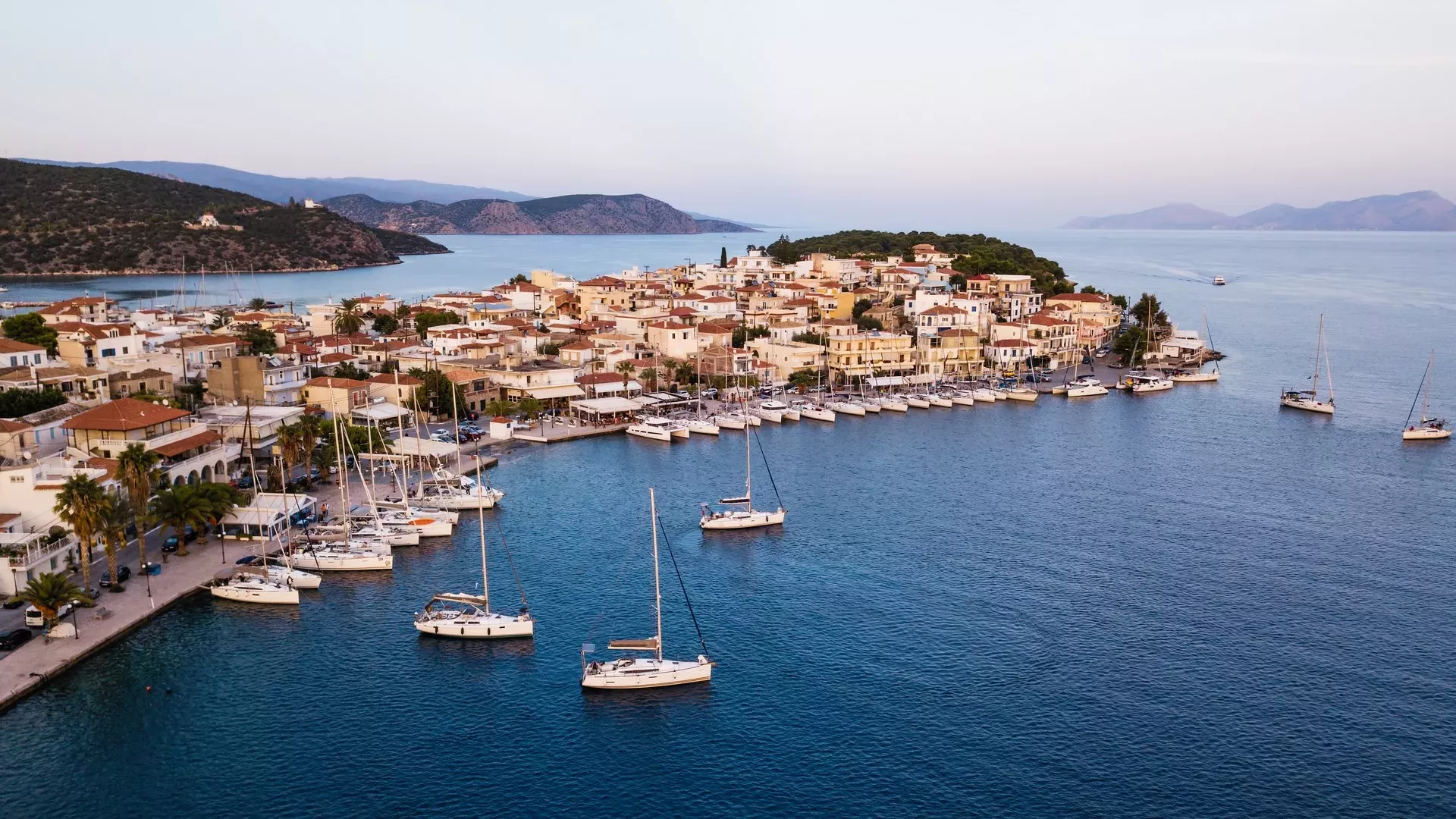
In roughly two hours from Athens you can find yourself on an «island» on the mainland that will whisk you to a completely different setting for a change of scenery. Built amphitheatrically on a long, pine-covered peninsula, 85 km. southeast of Nafplio, theErmioniof Argolisis an ideal destination for a short sea-breezed excursion to start the year off right.The picturesque seaside town celebrates Epiphany with a distinctive local custom called «Giala-Giala».
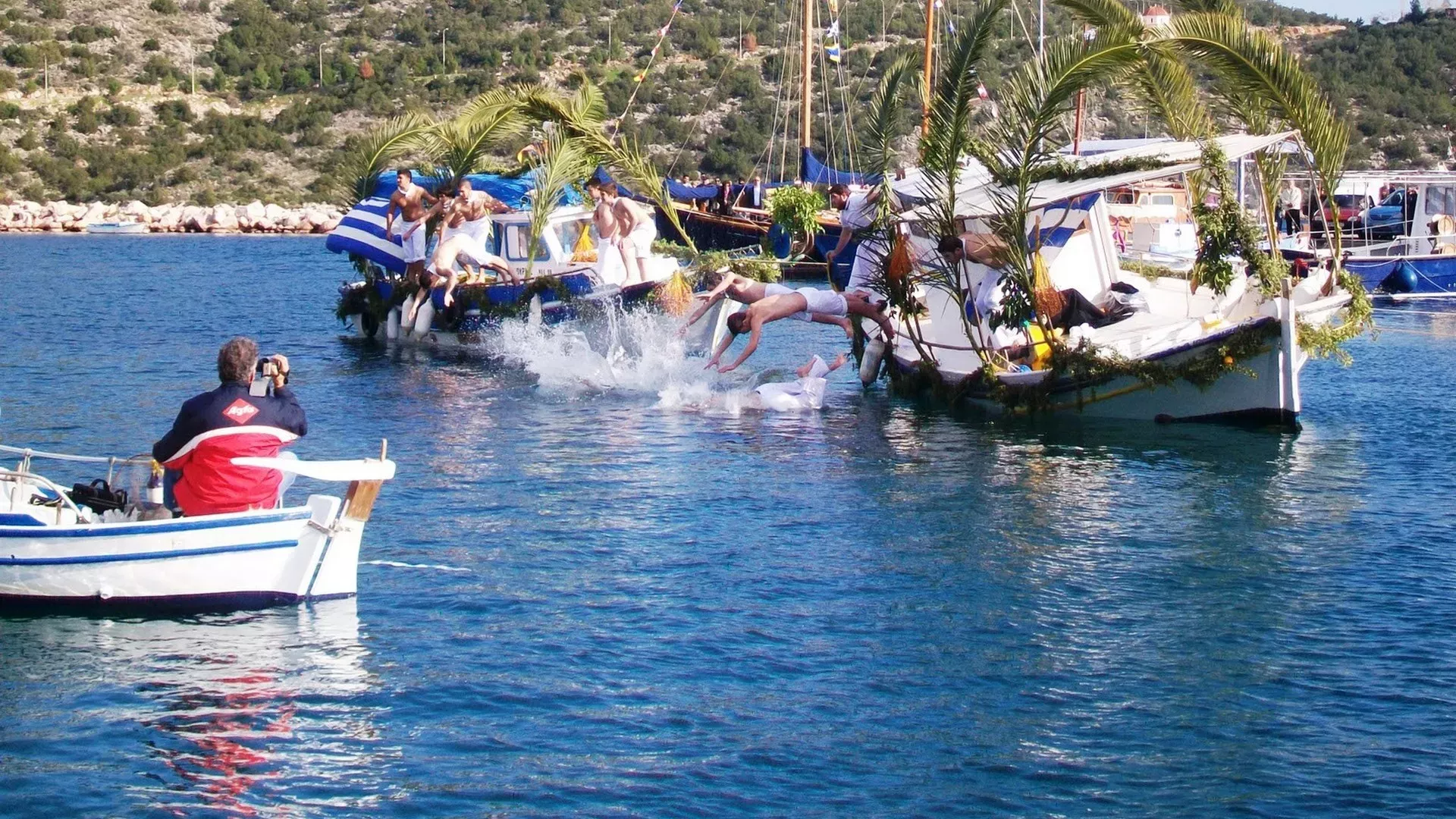
According to this, from the morning of Epiphany Eve, the young people of the area gather at the harbor and, with myrtle and palm leaves, decorate the caiques from which they will dive the next day. On the evening of the eve, dressed in traditional naval uniforms, they sing in the alleys and receive treats from residents and passers-by. On Epiphany Day, they board the decorated boats, sing and rock the boats with vigor, until they dive and catch the cross. This custom began many years ago, when those who worked on merchant ships, the sponge divers and the fishermen would plunge into the sea for the cross.
Kastoria
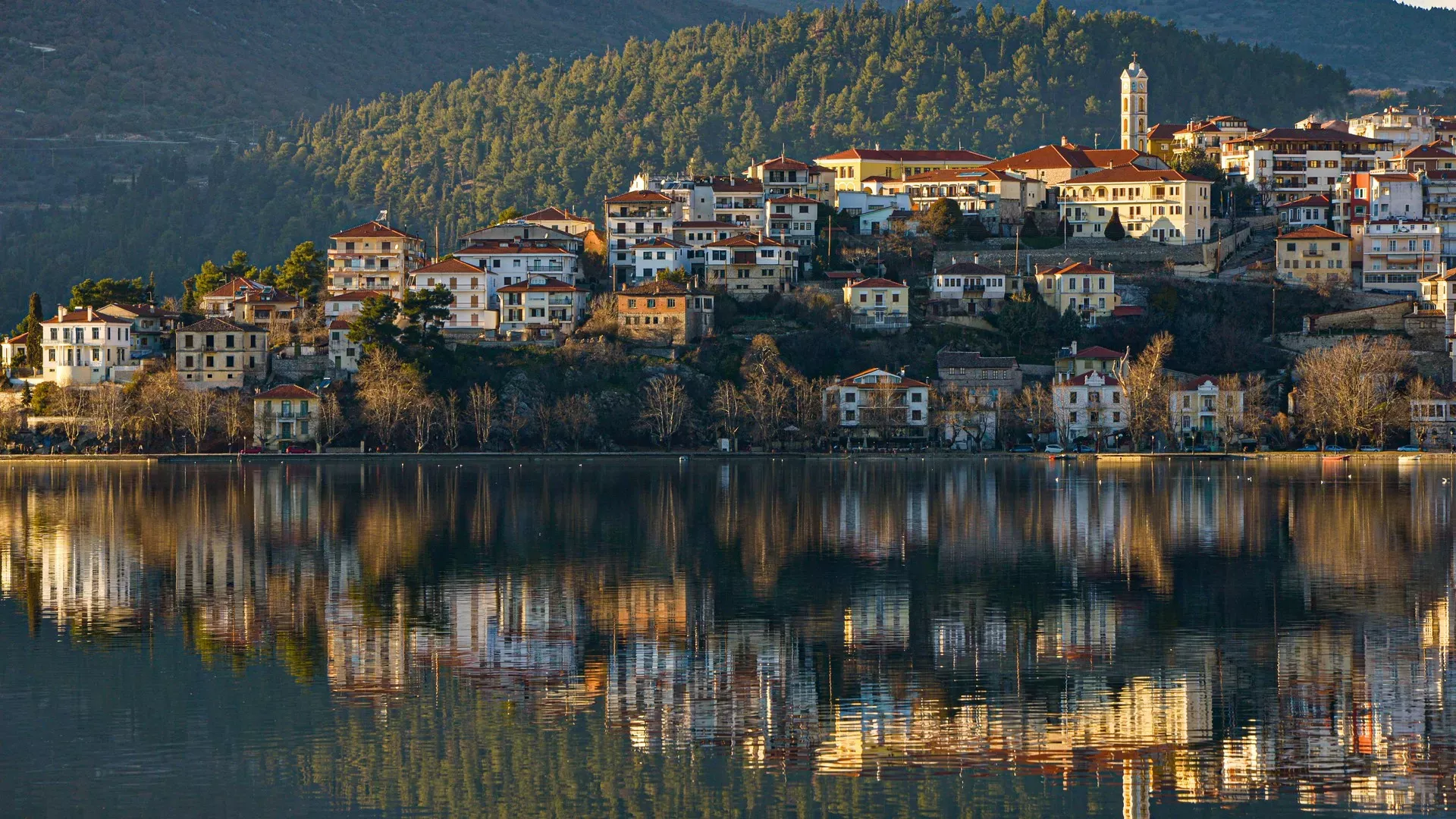
The renowned Ragoutsaria, a carnival with a history lost in the depths of time, are the perfect excuse for a getaway to enchantingKastoriathese days. It is a three-day series of traditional carnival events during which the city takes on a distinctive color and a festive atmosphere. The name and origins of this custom are traced to classical antiquity, from which, via Rome and Byzantium, it has been carried into our times. At Ragoutsaria people take part in «troupes» - each with its own traditional brass orchestra - everyone from Kastoria, men and women, young and old, together with thousands of visitors, reveling for three day-and-nights in the city’s streets.
On 6 and 7 January, the troupes of hundreds of carnival-goers will flood the streets of Kastoria,celebrating with dances, songs and playful teasing. The custom culminates on the third day (8 January), with the official Ragoutsaria parade, the «Pateritsa». The parade of floats and costumed participants starts from the Town Hall, reaches Omonia Square, after passing along Mitropoleos Street and ends at Afoi Emmanouil Square, in the Doltso quarter.
Drama
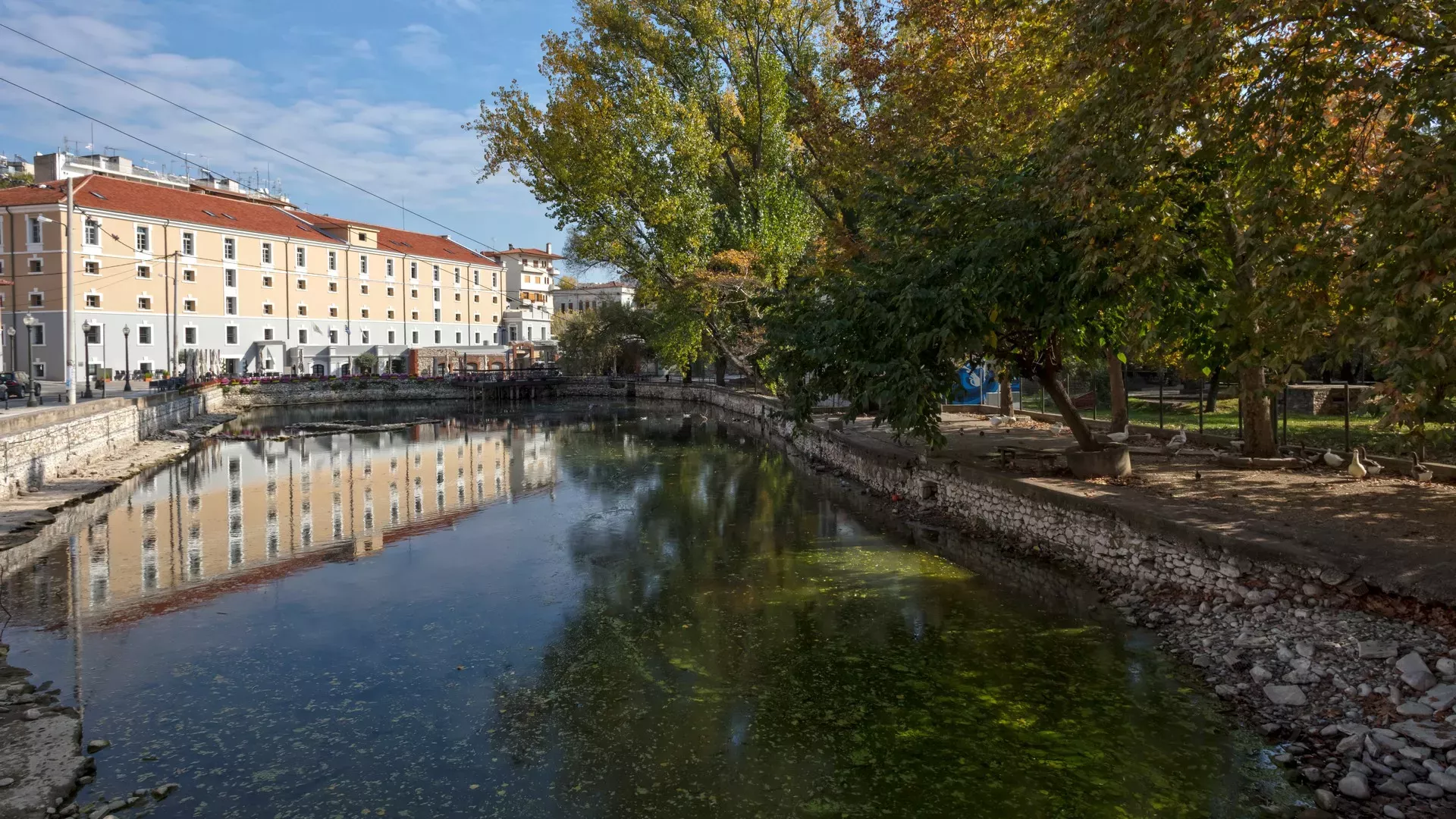
Have you heard of the Dionysian customs ofDrama;The masquerades in the villages of Drama during the days of Epiphany draw the interest of many visitors from all over Greece and are among the most important cultural events of the region.These customs incorporate elements of Dionysian worship, age-old materials intertwined with the pastoral way of life, as well as the traditional instruments of the local musical heritage, the gaida, the ntachare and the lyra.
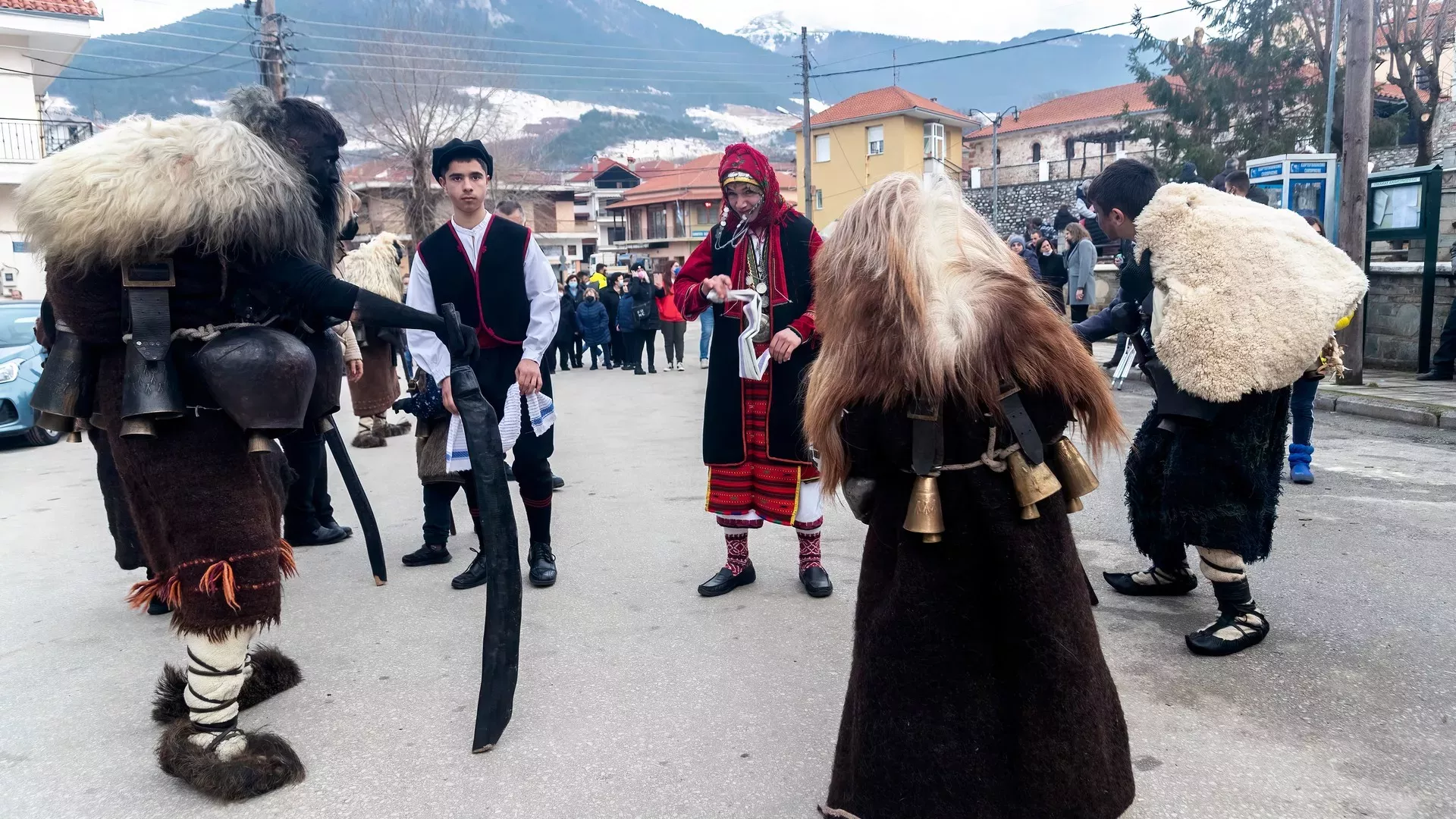
On 6, 7 and 8 January, in various villages of the region (Monastiraki, Volakas, Petroussa, Xiropotamos, Pyrgi, Kali Vrysi, Pagoneri) rituals are revived where disguises, bells, dances and revelry prevail. The Arapides, the Babougera, the Babinden and the Davaniska, are just a few of the customs worth seeing up close if you find yourself in Drama at this time.