


Because holidays start before we reach our destination, there are a few tips to help us avoid last-minute stress.
The tickets are booked, the accommodation sorted, and the trip abroad is getting closer. From the moment you buy your airline tickets to the day you arrive at the airport, there are plenty of small but important details to pay attention to so your journey runs smoothly.
To avoid last-minute packing before your flight or realizing you've forgotten the essentials, the solution lies in good planning. Below, you'll find the ultimate guide to everything you need to do a week before departure, so you can travel with complete peace of mind.
Check your travel documents
The first and most important step is to make sure you have all the necessary travel documents. When booking tickets, make sure your ID card or passport doesn't expire for several months, as some countries require your passport to have a specific validity period after your return date (at least 6 months). Do one final check and put them in the bag you'll carry on the plane so you don't forget them. It's a good idea to photograph your documents and keep copies on your phone as well.
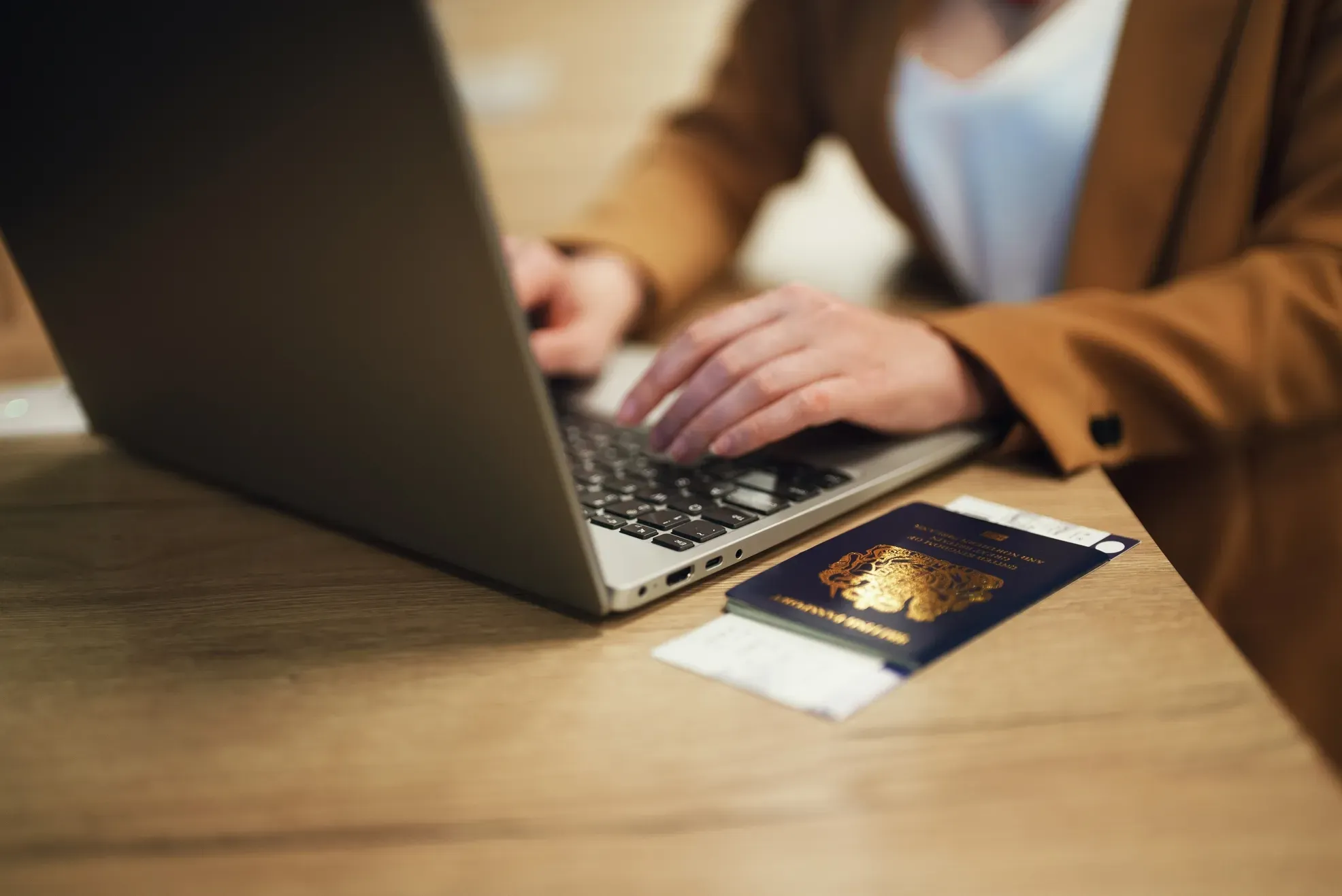
Check what's required for Visa or other entry permits
If you're traveling outside the European Union, you should find out in good time whether the country you're visiting requires a visa or an electronic travel authorization. In some cases you need to obtain a visa, while in others an electronic travel authorization is required, such as ESTA for the USA and ETA for the United Kingdom. These are different entry pre-approval systems that must be secured days before departure and usually have a specific cost (ESTA costs about 40 dollars and the UK ETA 20 pounds).
On the other hand, some countries allow entry without a visa for tourism and short stays. For example, Greek travelers can visit Japan without obtaining a visa for tourist stays of up to 90 days, but to avoid queues at the airport it's best to fill in certain details in advance and generate the required QR code. However, since entry regulations change, we always check official government websites, or information from the Ministry of Foreign Affairs or the embassies.
Double-check your bookings
A week before departure is the right time to gather all your bookings and confirm there are no outstanding issues. Review your flight times, ticket details, hotel reservations, and transfers to and from the airport or station. If you've planned excursions, tours, or visits to popular attractions, confirm the dates and times and make sure all tickets are saved.
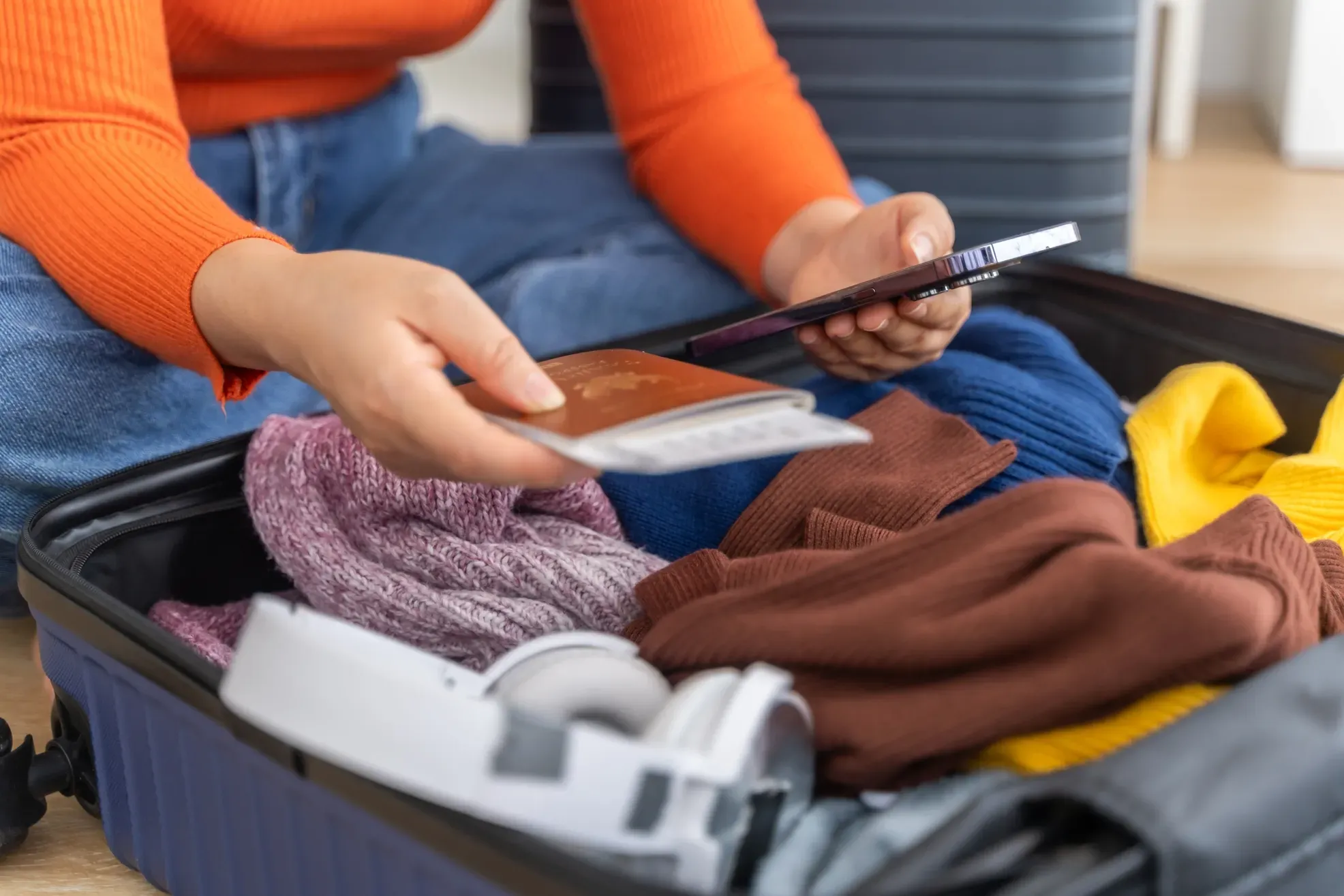
Research your destination
Spontaneous stops and discoveries are part of travel's charm; however, good preparation can save you from unnecessary hassle. Read up on the area you'll visit and note the must-see attractions, the neighborhoods that intrigue you, and the shops and restaurants you want to try. In some cases, you may need to make dining reservations in advance. For extra ease, you can create a Google Maps map with points of interest, restaurants, and cafés. Don't forget to look into available transport options and any scheduled strikes. Also keep the contact details of the Greek embassy or consulate at your destination, as well as a list of emergency phone numbers.
Arrange your travel insurance
Travel insurance is something we often leave to the last minute, but it's better to take care of it before departure. If you're taking a long trip, it's wise to have health coverage for the days you'll be there. Look closely at what your policy covers—medical expenses, lost luggage, trip cancellation, or flight delays—and whether it meets your needs. If you're traveling to a European Union country, don't forget to take your European Health Insurance Card (EHIC). The card doesn't replace private travel insurance, but it covers certain medical incidents. However, it takes at least two weeks to issue, so don't leave it to the last minute.
Review your airline's baggage policy carefully
Before you start packing your suitcase, read your airline's baggage rules carefully. What are the permitted dimensions and weight for the carry-on? What's the policy for the bag you'll check at the counter? If you're required to check your carry-on and don't, or it's larger than the permitted limit, you'll be charged extra at the gate. Review the restrictions on liquids, electronic devices, and items that aren't allowed in the cabin. This way you'll avoid unpleasant surprises at the airport.
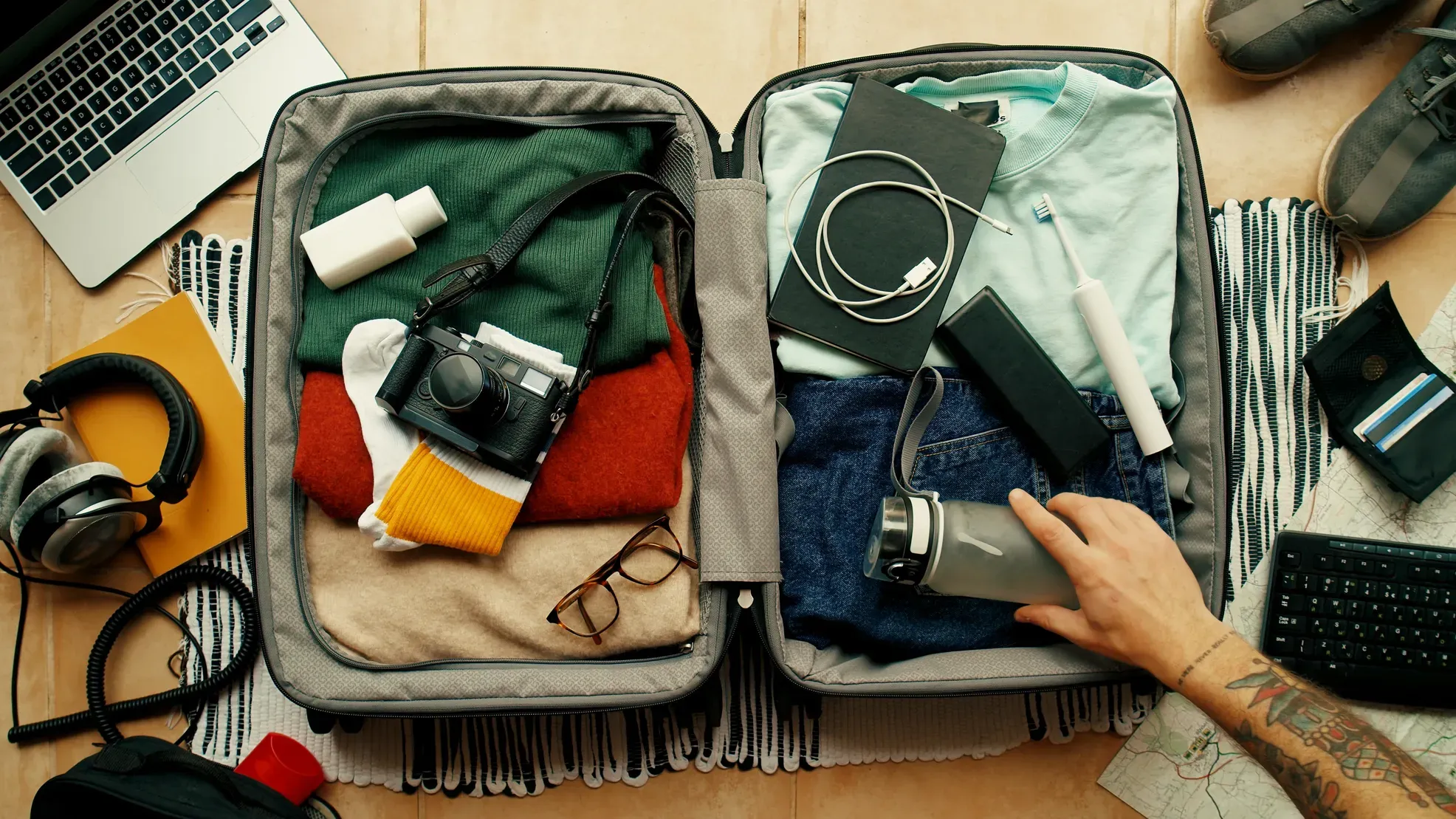
Make a list and organize your suitcase
Packing your suitcase doesn't need to happen the day before your trip. A week earlier, you can create a list of essentials, taking into account the length of your stay, the weather, and the activities you've planned. You can keep this basic list ready for every trip, with a few additions. Choose clothes that mix and match, shoes suitable for getting around, and accessories.
Check the weather in advance and pack a few extras depending on the destination, such as swimwear, activewear, a beanie and gloves, a rain jacket, or an umbrella. A smart tip is to think through your outfits ahead of time and, of course, bring pieces you can wear in multiple ways. Opt for comfortable shoes you've already worn, not brand-new ones. Finally, weigh your bags to make sure you're within your airline's limits. If you plan to shop on your trip, leave your suitcase a few kilos under the limit, or keep space in your backpack.
Prepare your toiletry bag and travel first-aid kit
Don't leave out personal care products and essential medications from your list. Check what you already have at home and what you need to buy, such as sunscreen, moisturizer, facial cleanser, a toothbrush, and personal hygiene items. At the same time, put together a small first-aid kit with basic supplies such as bandages, antiseptic, and any over-the-counter remedies you might need. If you're on any medication, make sure you have enough for the entire trip, along with the necessary prescriptions or medical certificates. It's best to carry important medications in your carry-on rather than in your checked bag.
Check your bank cards and your money
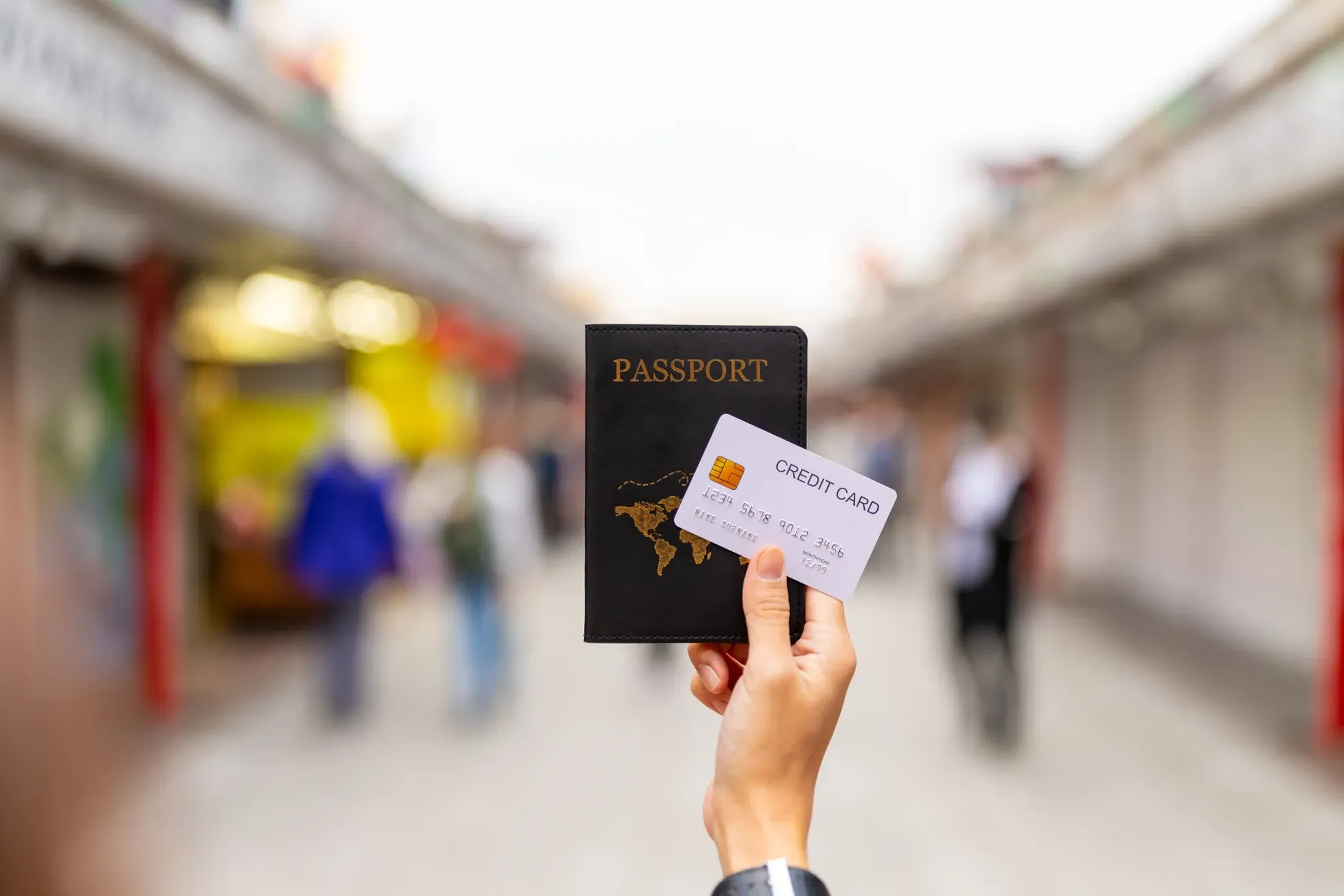
One important thing to sort out in advance is your finances. Make sure your bank cards are active, that you know the transaction and withdrawal limits, and that you can use them in the country you're visiting. If you'll be paying in another currency, opt for a travel card without foreign transaction or currency conversion fees, or bring cash for exchange. Also, make sure you have more than one payment method so you aren't caught out if you lose a card or can't use one. In addition, it's a good idea to notify your bank if you're traveling abroad to avoid your cards being automatically blocked due to suspicious transactions.
Organize your phone and electronic devices
Your phone is now one of the most useful tools on any trip. Don't forget to download offline maps, save your tickets and bookings, and check if you need any apps for transport or payments. If you're traveling outside Europe, check roaming charges and install an eSIM in advance so you have internet everywhere. Download music and movies beforehand so you can listen and watch offline. Put together a small pouch with chargers, your power bank, and the necessary plug adapters. Finally, make sure you have plenty of free storage for photos and videos, so you don't have to deal with it on the trip.
See when online check-in opens
Depending on the airline, online check-in usually opens 24 to 48 hours before the flight. Don't forget to log in as early as you can so there's nothing pending. Set a reminder so you don't forget. During check-in, confirm your seat on the plane and do a final review of your flight details. Save the boarding pass to your phone for extra convenience.
Take care of loose ends at home
Before you leave, it's a good idea to make sure you have no outstanding tasks at home, especially if you'll be away for many days. Check for bills that need paying, arrange the collection of any parcels you're expecting, and go through food in the fridge that's open or about to expire. Ask someone to keep an eye on your home or water the plants while you're away. Make arrangements for your pets, whether they're traveling with you or someone else is looking after them.


