





Seven wonderful French cities to add to your list of upcoming trips.
Paris is always a good idea for a trip. With impressive architecture, grand boulevards, world-class art, historic cafés and a unique culinary scene, the French capital is an iconic city and one of the world's top travel destinations.
But if you've already visited and want to see something different or you prefer destinations that aren't tourists' first choice, France has many gem cities that can offer you exceptional experiences. Here are seven wonderful French cities worth discovering, according to Time Out.
Lyon
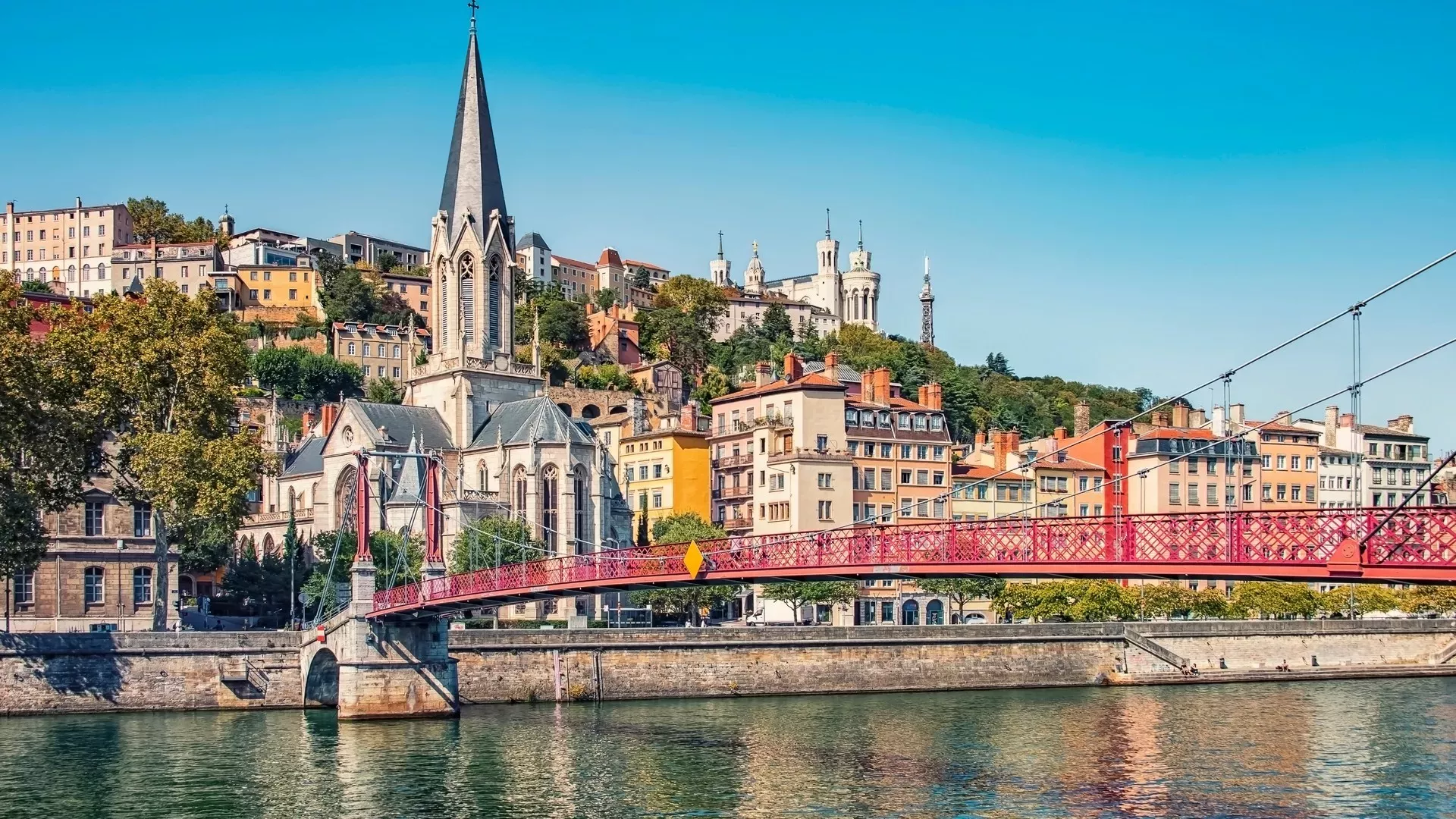
France's third-largest city is a beautiful city with distinctive architecture, outstanding museums and a high culinary culture. Encircled by two rivers (the Rhône and the Saône), its main draw is the old town, a UNESCO World Heritage Site. In Lyon you'll lose yourself in hidden lanes, admire giant murals in various public spots and taste flavors and fine wines you won't forget. Some of the world's top chefs began their journey here, like Paul Bocuse, the creator of nouvelle cuisine. Food lovers put bouchons high on their list, the rustic restaurants that serve local - and not flashy - dishes. Grab a table at one and try coq au vin (wine-braised rooster).
Nancy
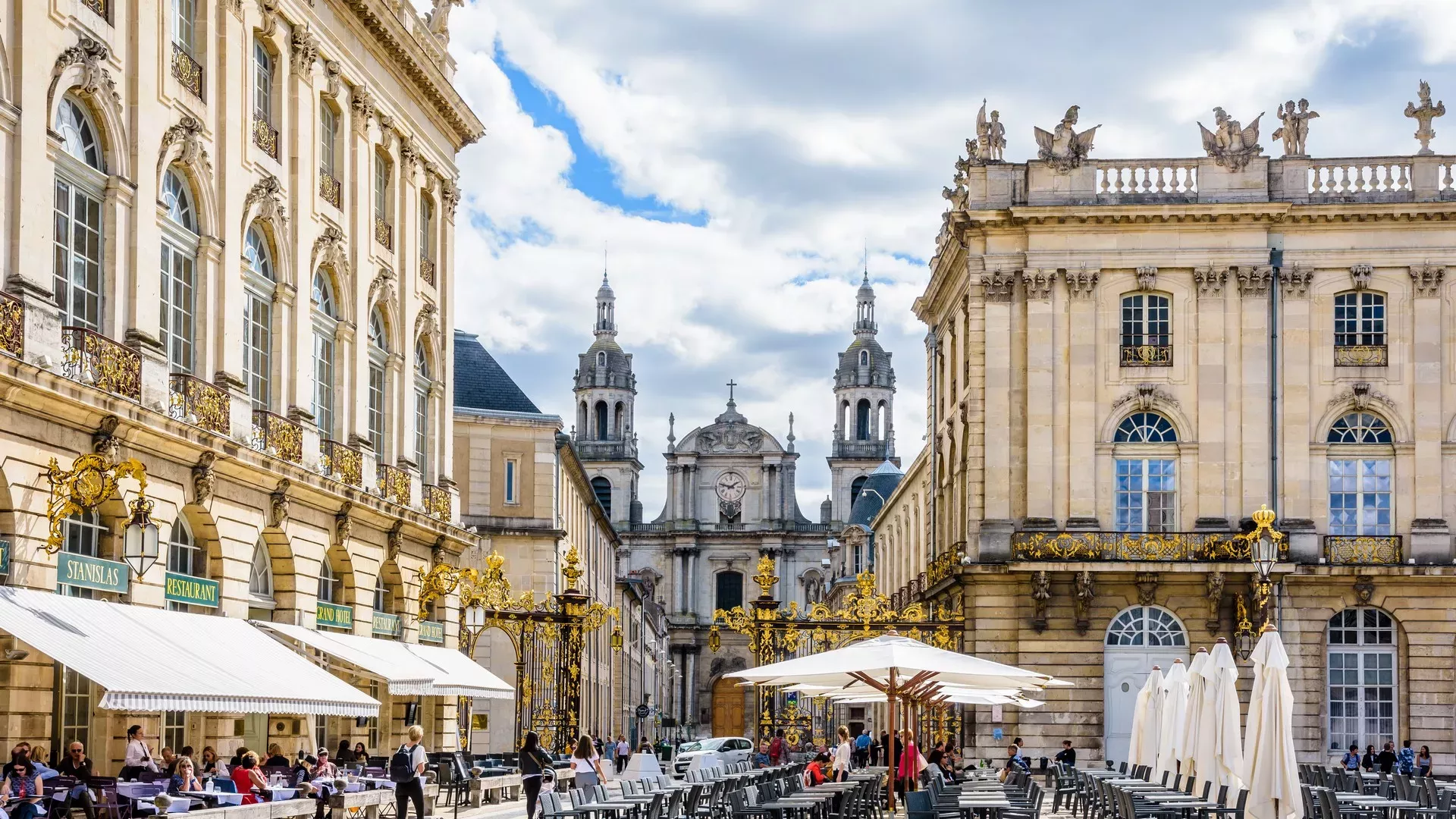
Nancy is a historic city, the capital of the Meurthe-et-Moselle department, one of the four in the Lorraine region of France, of which it's the cultural capital (the administrative one is Metz). It stands on the Meurthe River and lies about 280 km from Paris. The city is full of notable buildings, especially from the Renaissance, along with many sights, squares and gardens. «The beauty here lies in the details - in sculpted doors, window frames and stained-glass ceilings in buildings that would otherwise be utterly ordinary», writes Time Out.
Avignon
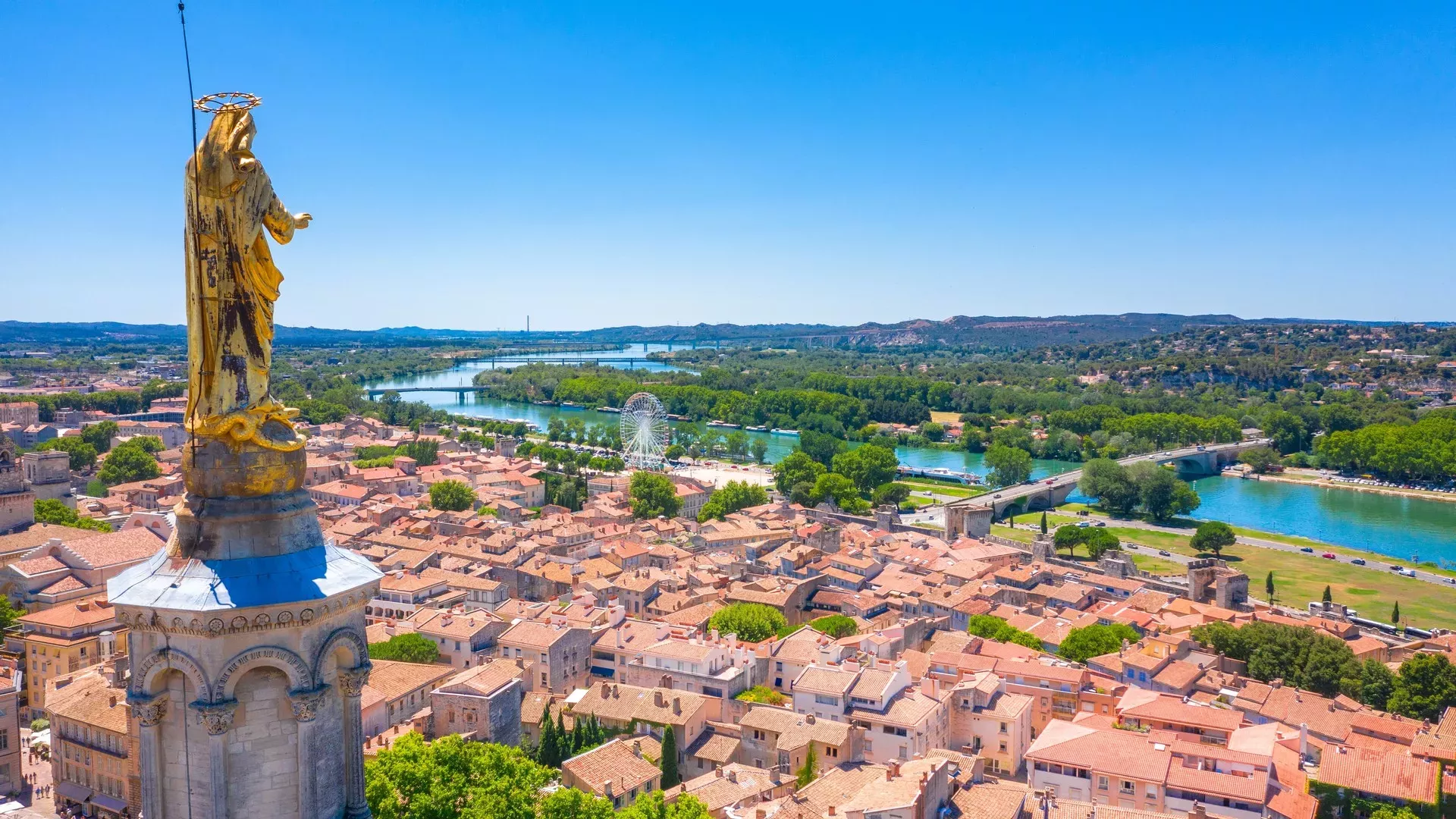
On the left bank of the Rhône, Avignon is a city that loves the arts and culture. Known as the seat of 7 French-born popes from 1309-1377, Avignon retains intact the aura of its former grandeur. A stroll through its narrow streets is enough to convince you. Among its most characteristic sights are the ruined Pont Saint-Bénézet bridge (better known as the Pont d'Avignon) and the largest Gothic palace in Europe, the Papal Palace that crowns the city. «Visit the city in July, when the Avignon Festival (France's answer to the Edinburgh Fringe) is in full swing», suggests Time Out.
Lille
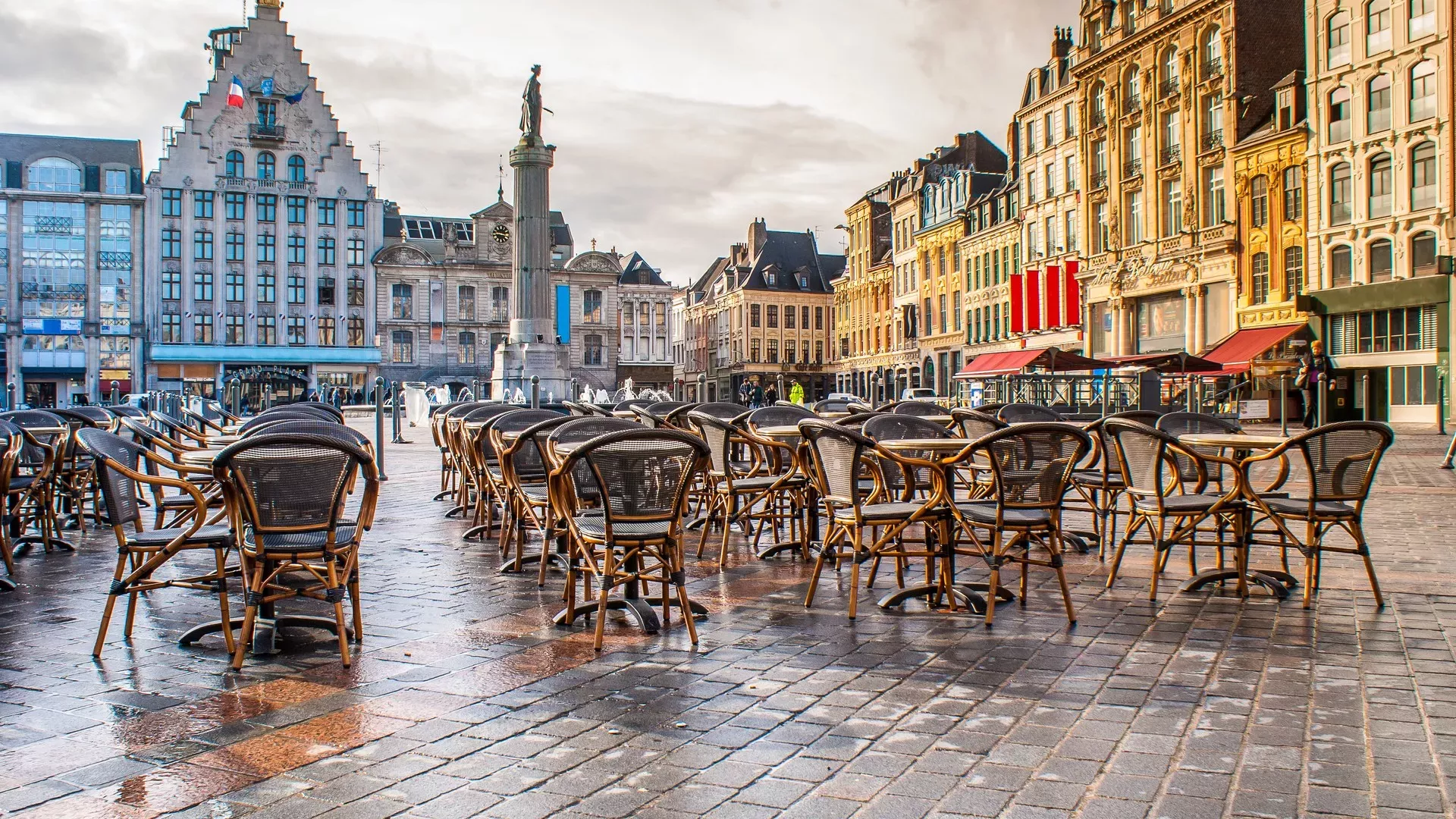
This city in northern France sits at a strategic point in Europe, as it borders Belgium and is not far from Luxembourg, England, the Netherlands and Germany. Lille is the country's fourth-largest metropolitan area, after Paris, Lyon and Marseille. The city is renowned as a cultural center thanks to L’Opéra de Lille, L’Orchestre National de Lille, Ballets du Nord and the fine arts museum Musée des Beaux-Arts de Lille. It's also famous for its Grand Open-Air Market, the so-called braderie, which takes place once a year, on the first weekend of September, drawing visitors from all over Europe.
Narbonne
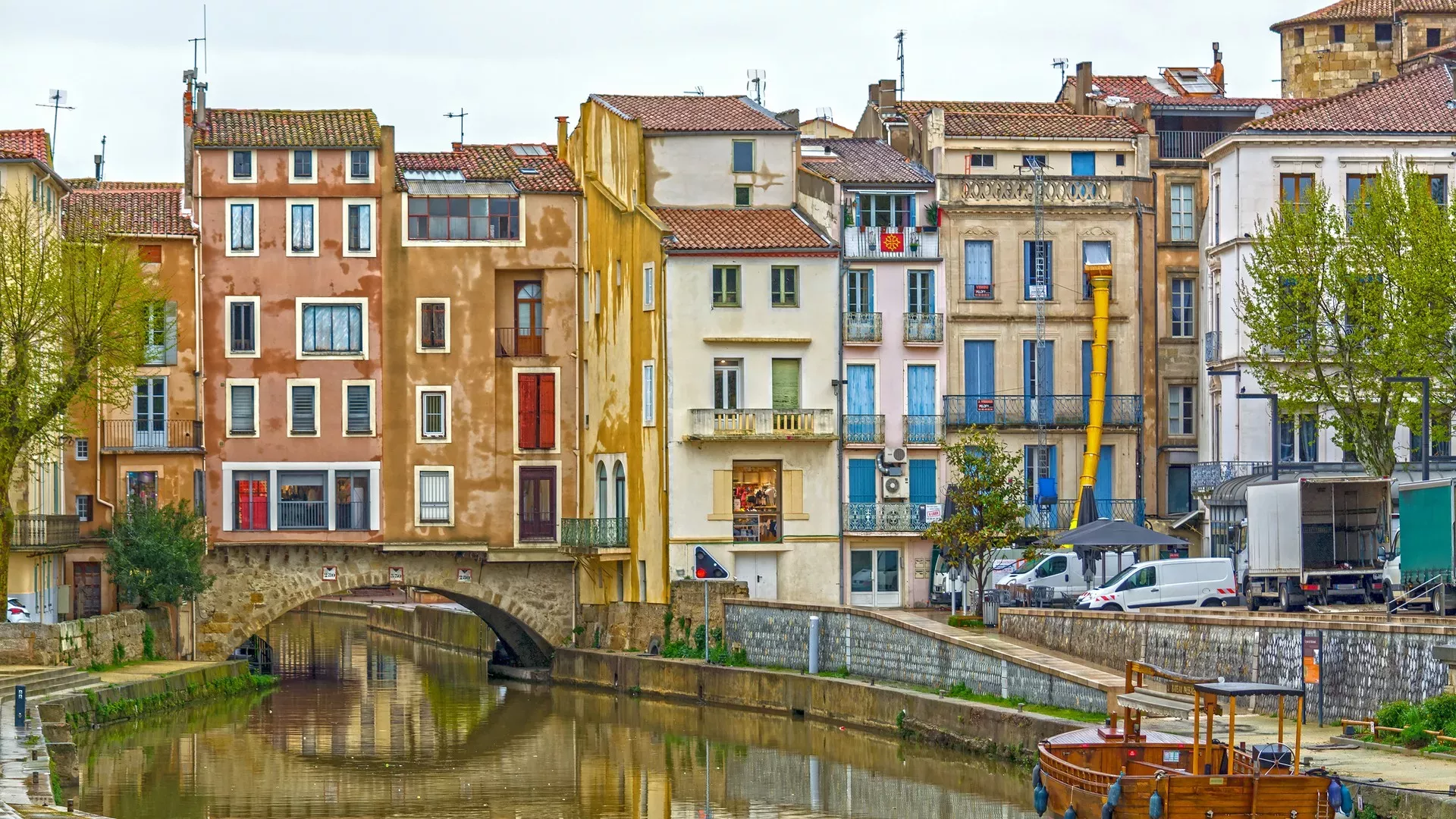
Built about 15 km from the Mediterranean coast, on the Gulf of Lion, in the Occitanie region, Narbonne is one of the most historic places in France, as evidenced by the Roman ruins you'll see around the shops on the main streets. A major attraction is the Gothic cathedral, Saint-Just et Saint-Pasteur. It was never fully completed, but that's what makes it so appealing. The city's covered market (Les Halles) is also famous, often hosting particularly original nighttime events.
Brest
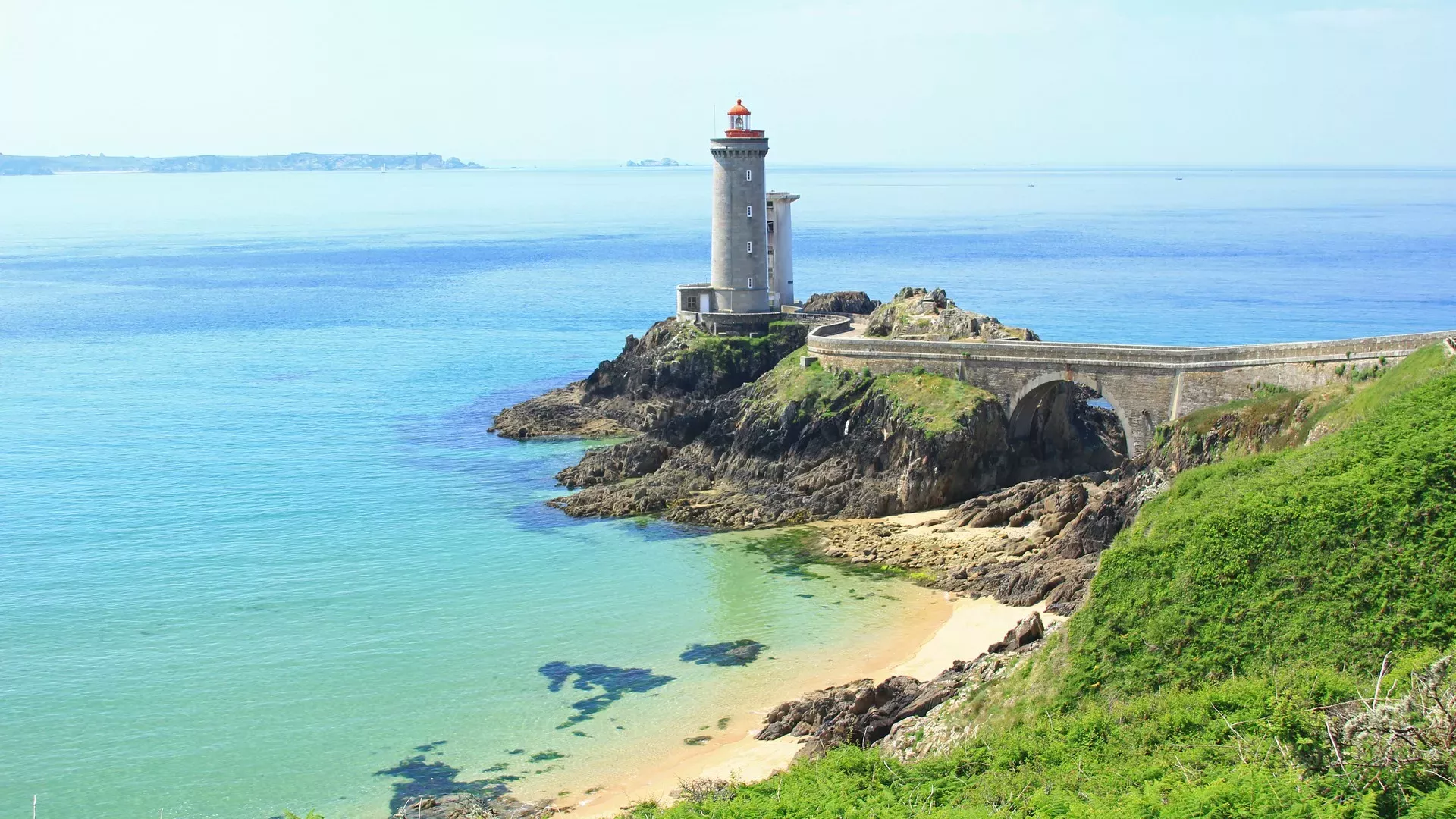
«Brest is an example of not judging a book by its cover», writes Time Out about this port city in the heart of Brittany, in northwestern France. It may not look beautiful at first glance (bombing during World War II meant the city became full of concrete), but if you «scratch the surface» you'll discover a city full of color, with charming corners, art galleries and pubs. A seasonal ferry (from April to September) takes visitors across to the wildly beautiful Crozon peninsula, where granite masses create a dramatic landscape.
Chinon
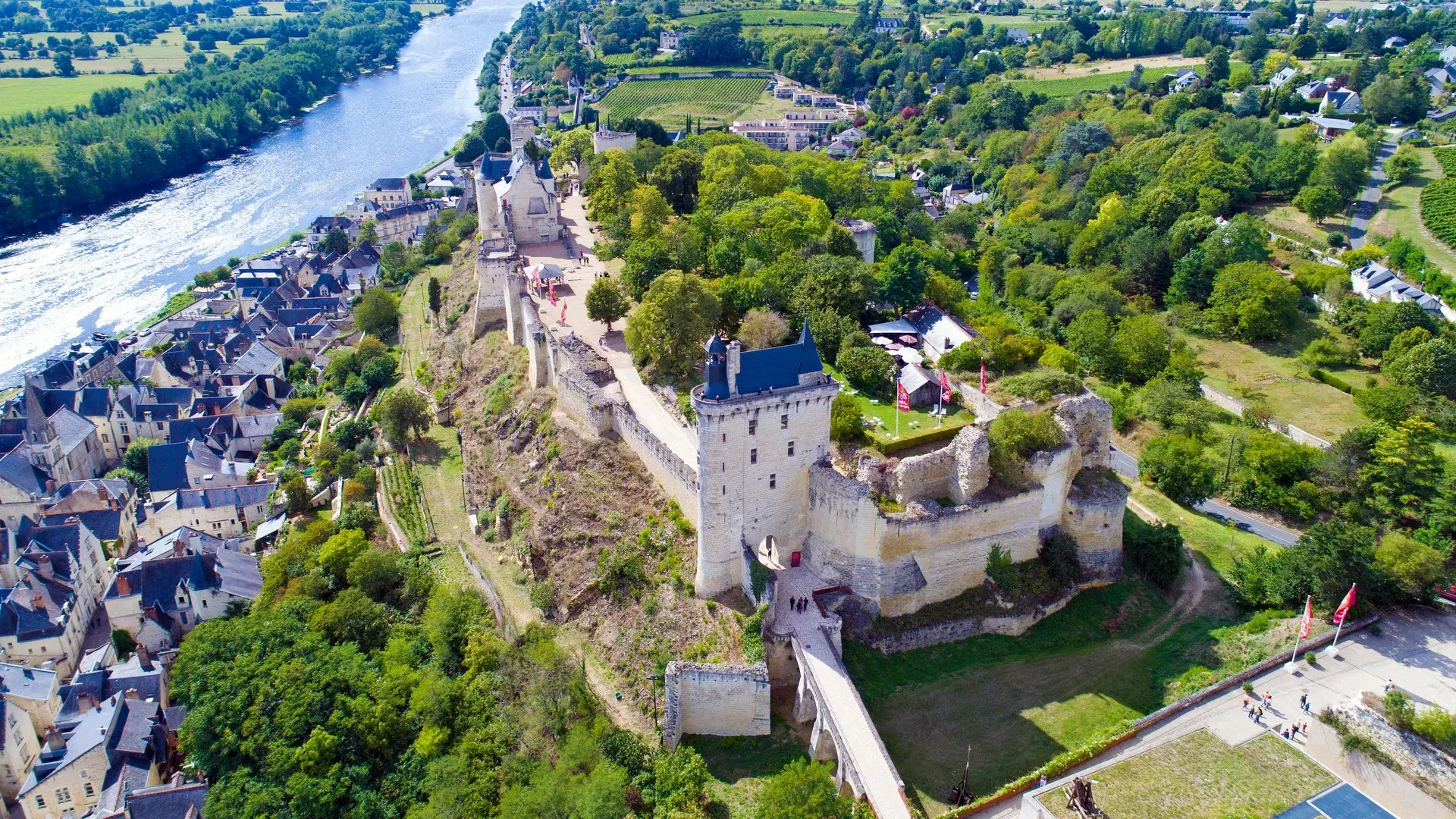
A small town with great beauty and a remarkable castle. Perched above the houses, the castle of Chinon is the city's landmark, built with the region's characteristic limestone. It was founded by Theobald I, Count of Blois, and in the 11th century it was acquired by the Counts of Anjou. In 1840 it was recognized as a historic Monument by the French Ministry of Culture. Taking a stroll through town you'll find plenty of wine cellars and wine bars, as well as some lovely antiquarian bookshops worth visiting.