


Authentic hospitality, Macedonian architecture, nature trails and mining heritage reveal a different side of Halkidiki.
Halkidiki is synonymous with spectacular beaches, pine forests that reach the sea, and summer getaways. However, in the hinterland and on its northeastern side, far from the busy seaside destinations, a different scene unfolds: traditional villages with Macedonian mansions, mountain routes through chestnut and beech forests, historic monuments, and communities that keep their traditions alive.
Mountainous and eastern Halkidiki lend themselves to a journey with many different stops that lead from the mountains to the sea. At the foothills of Mount Holomontas and Mount Stratoniko, tradition meets nature, while mining activity for more than 25 centuries has been an integral part of the area's identity and development, something that continues today with Hellas Gold.
From beautiful Arnaia and Megali Panagia to Olympiada and Ouranoupoli, each area tells its own story. Natural beauty, traditional architecture, historic monuments, local gastronomy, and genuine hospitality are key reasons to get to know this destination in every season.
Villages worth discovering
In its highlands and eastern reaches, Halkidiki reveals an intriguing side. Each destination, from the mountains to the sea, has its own beauty and traditions worth exploring.
Arnaia
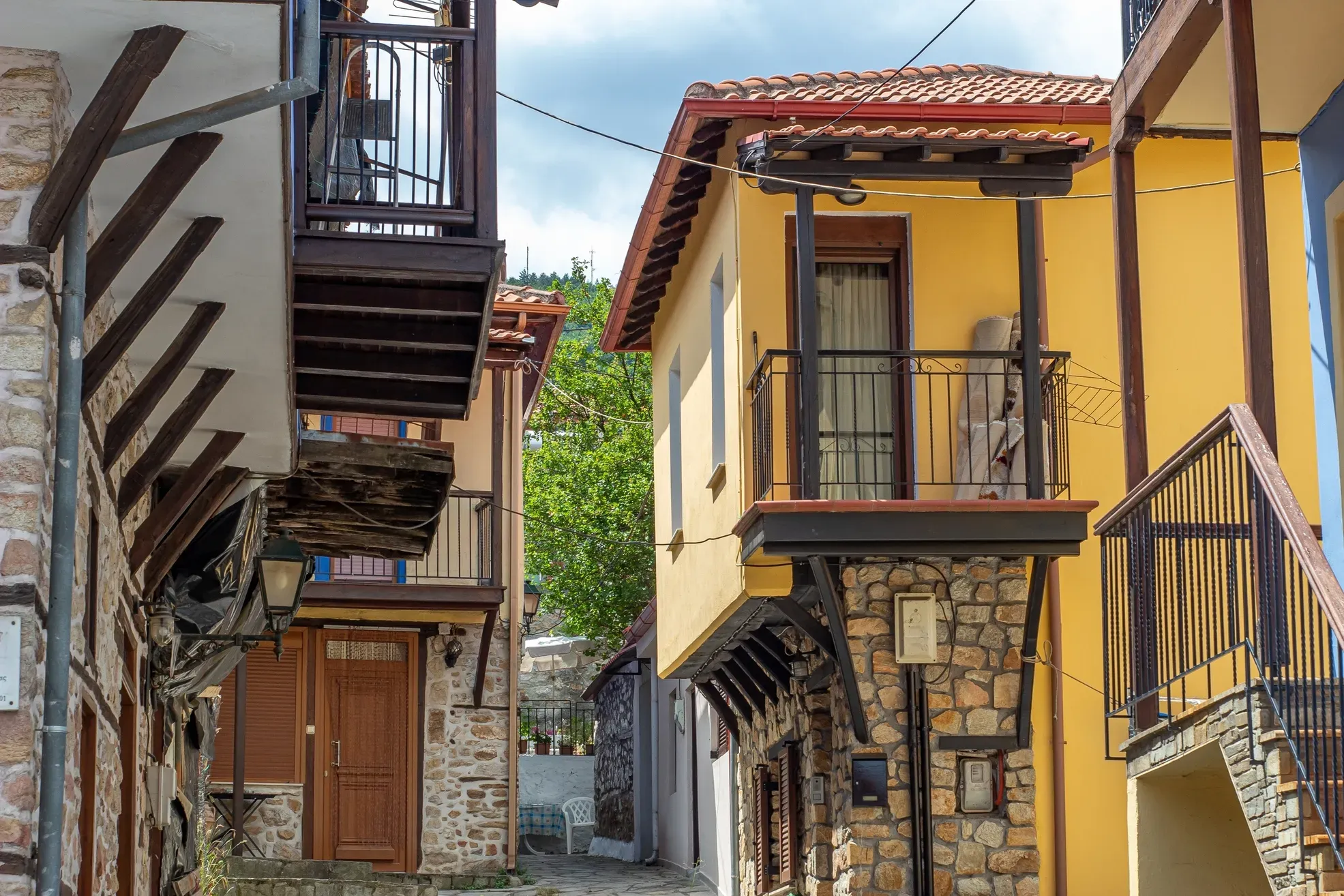
Built amphitheatrically at an altitude of about 600 meters, in a lush landscape at the foot of Holomontas, Arnaia belongs to the Municipality of Aristotle and is one of the most impressive villages in Greece, as well as one of the most characteristic examples of a traditional settlement in Macedonia. Restored Macedonian mansions, well-tended courtyards, and cobbled lanes set the scene for leisurely wanderings. Designated a Historic Site and Traditional Settlement since 1987, the village's focal point is the central square, also known as the “bazaar,” with its great plane tree and running waters.
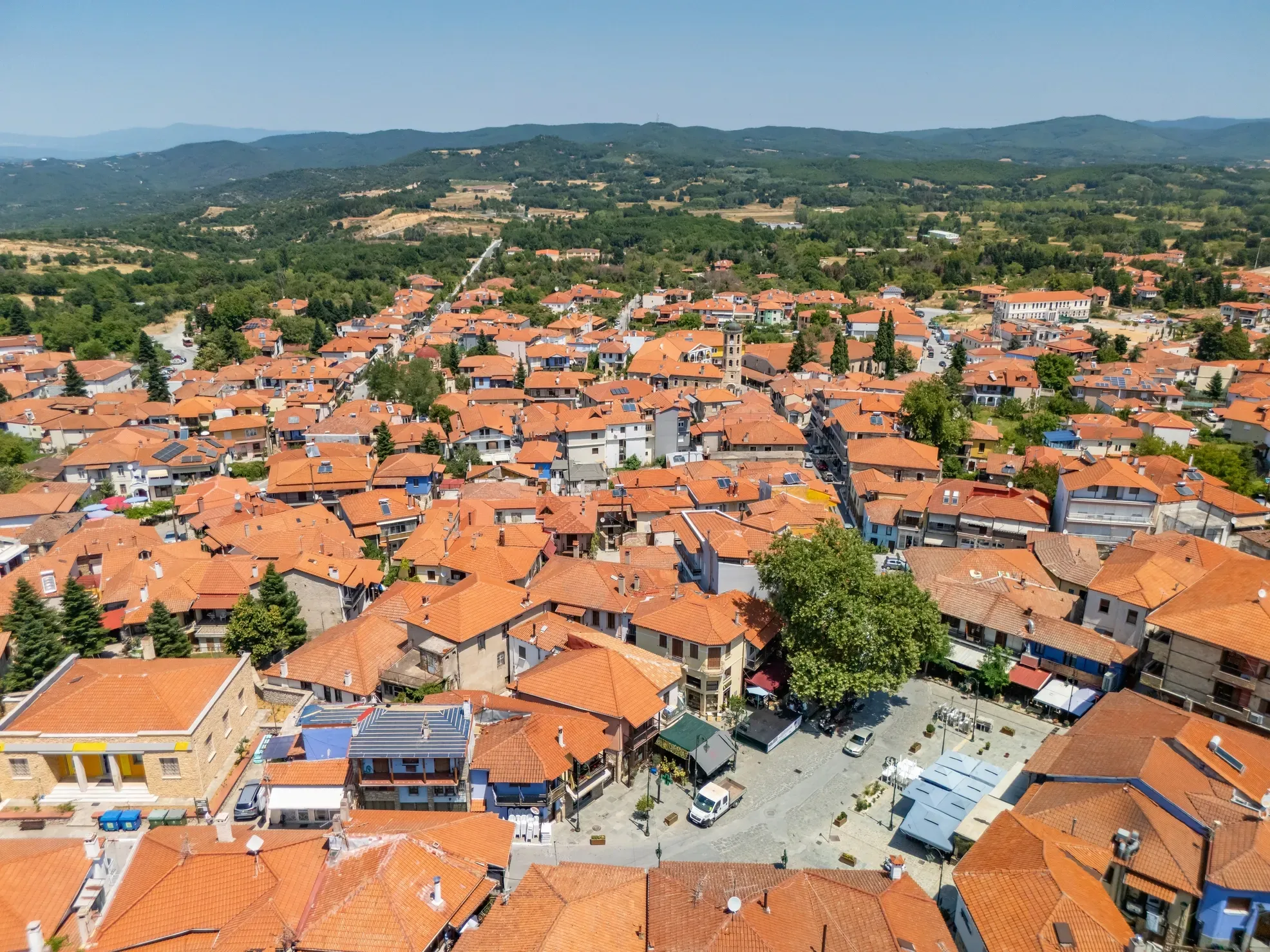
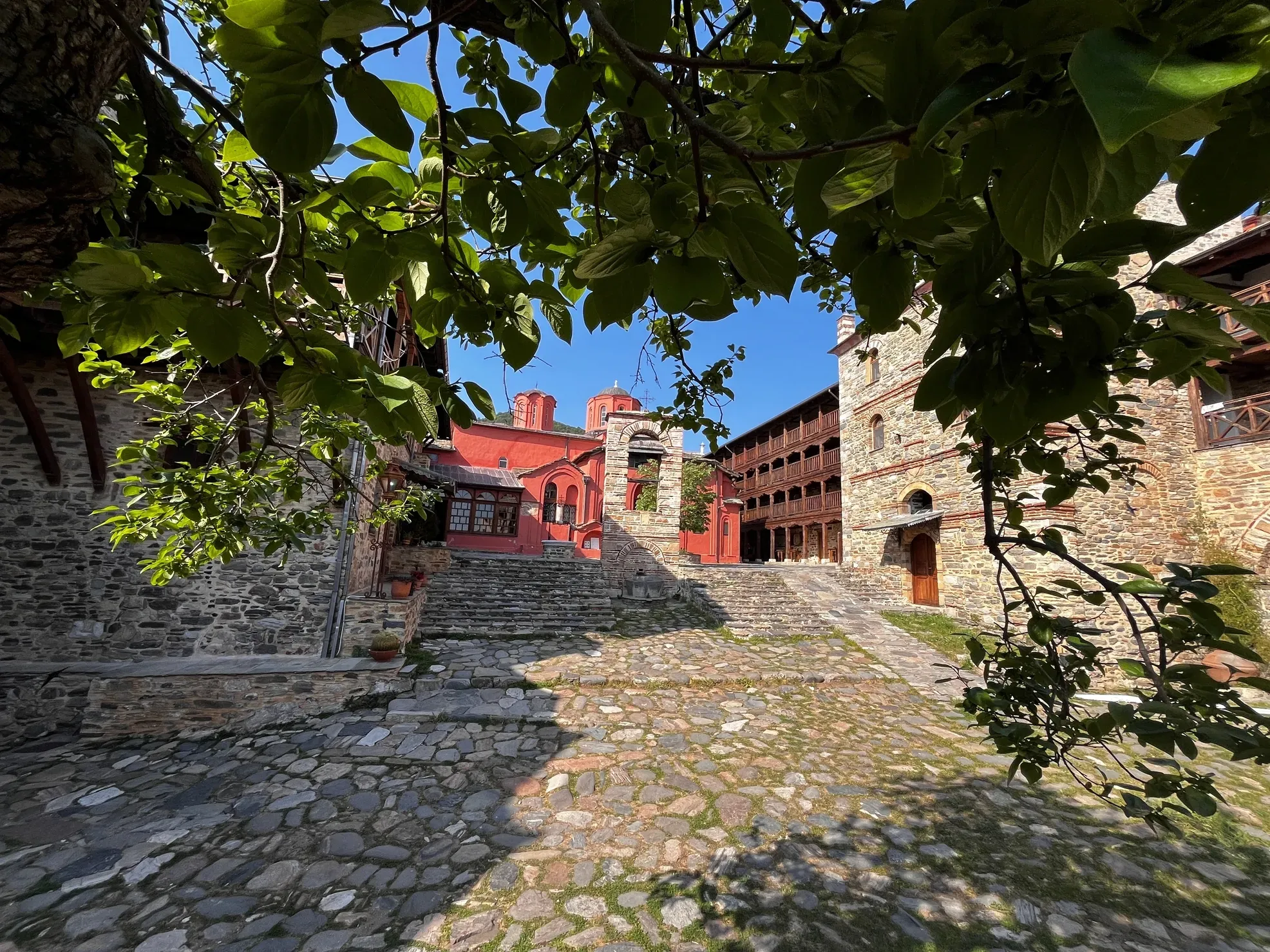
It's worth visiting the Folklore Museum, housed in the Giatradiko mansion, the Weaving Museum, and the Church of Saint Stephen. Inside the church, the glass floor lets visitors observe significant archaeological finds from earlier churches that were revealed after the 2005 fire. Arnaia's history, known as Liarigovi until 1928, is linked to that of the Mademochoria, the villages that developed around the exploitation of the region's mines. Today it makes an ideal base for excursions on Holomontas.
Megali Panagia
Megali Panagia, formerly known as Revenikia, has a strong religious character and a long history. The pilgrimage site dedicated to the Virgin Mary attracts visitors, while the surrounding routes invite walks and exploration of the natural landscape. The area has an enduring relationship with mining activity, as nearby lies Skouries, a significant copper-gold deposit that's part of Hellas Gold's modern mining activity and helps establish Greece among Europe's leading producers of these metals. Here, local activity and investment go hand in hand with environmental care, landscape restoration, and support for mountain communities.
Stageira and Olympiada
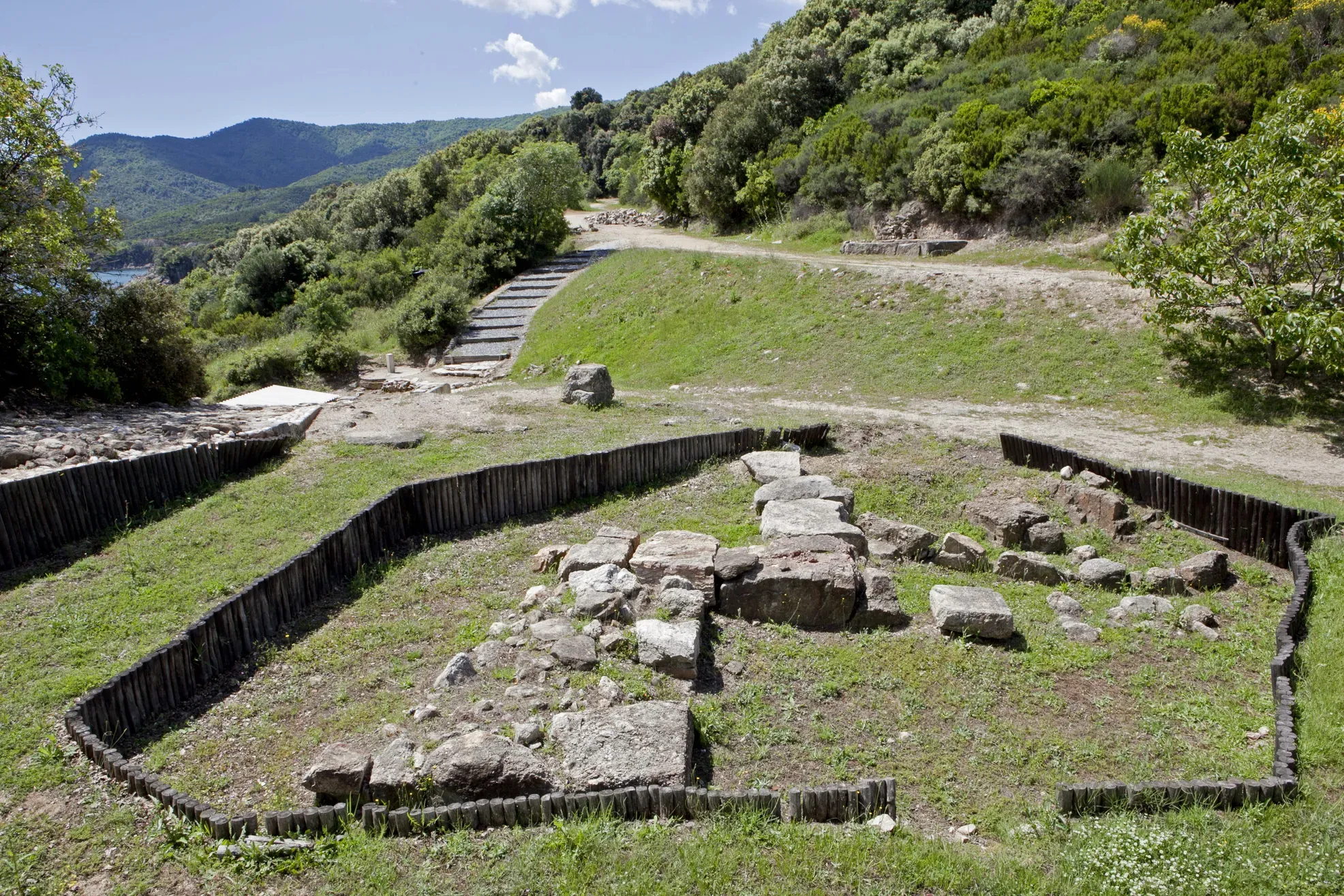
Stageira is a place inseparably linked with Aristotle, the great philosopher who was born in the ancient city in 384 BC. At the archaeological site near Olympiada, remains of the ancient city survive, while in Aristotle's Park visitors can discover the natural sciences in an interactive way. The area is a great starting point for exploring mountain routes, nature, history, and local flavors.
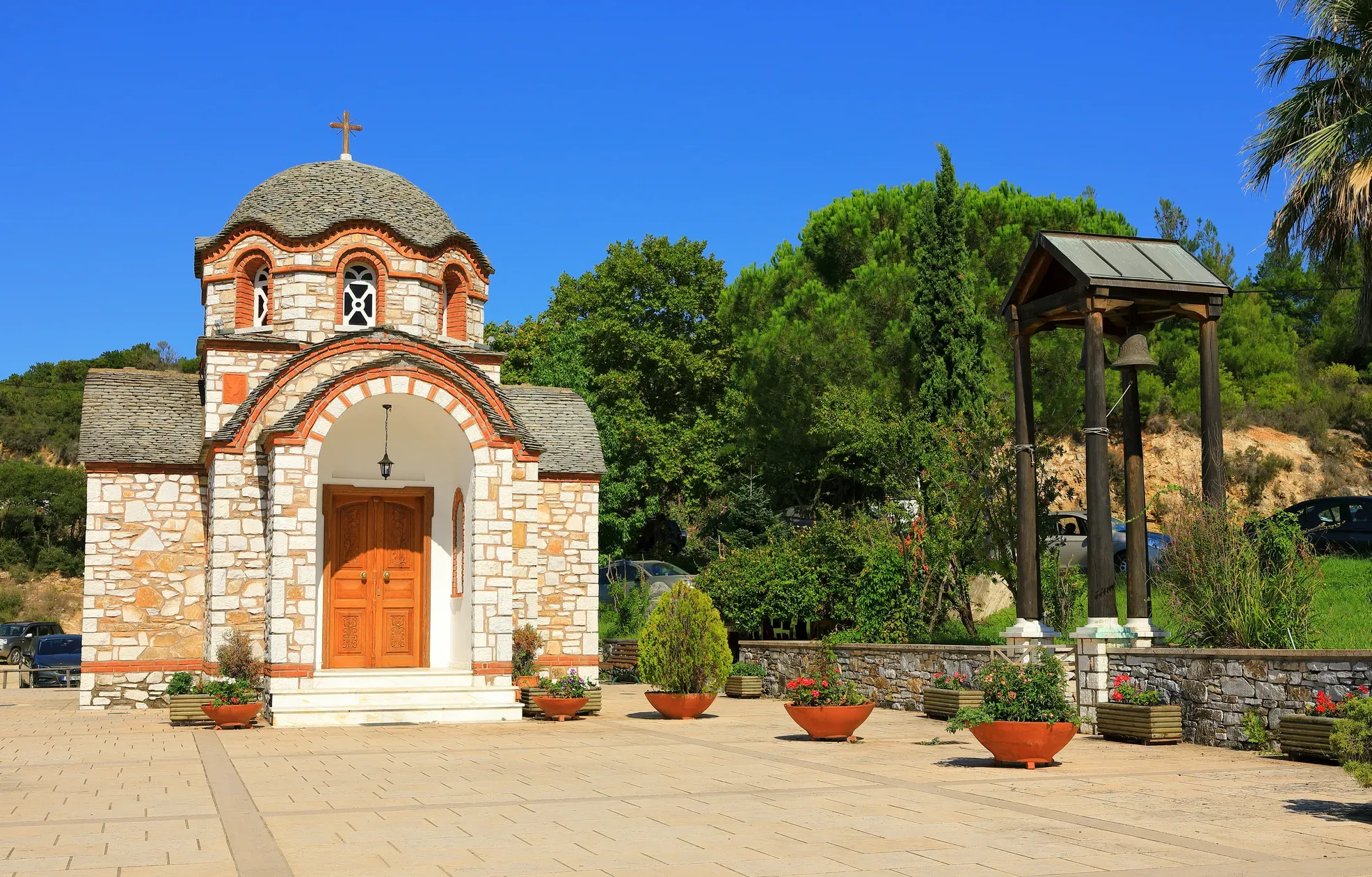
Built by the sea, Olympiada was created in 1923 and blends the relaxed atmosphere of a seaside settlement with significant historical points of interest. The wider area is also linked with modern mining activity, as a mine operates here associated with the production of gold, silver, lead, and zinc.
Stratoni
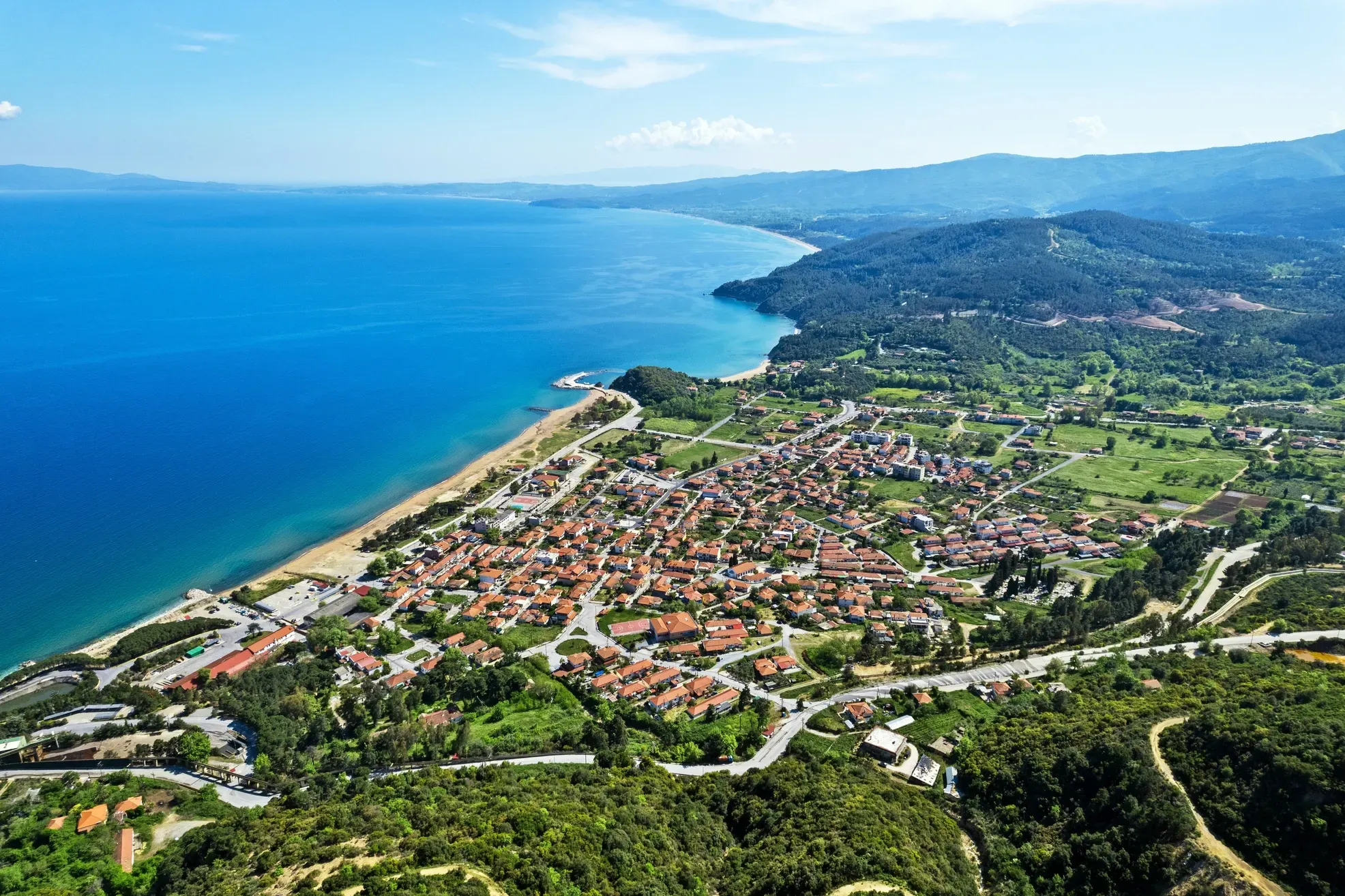
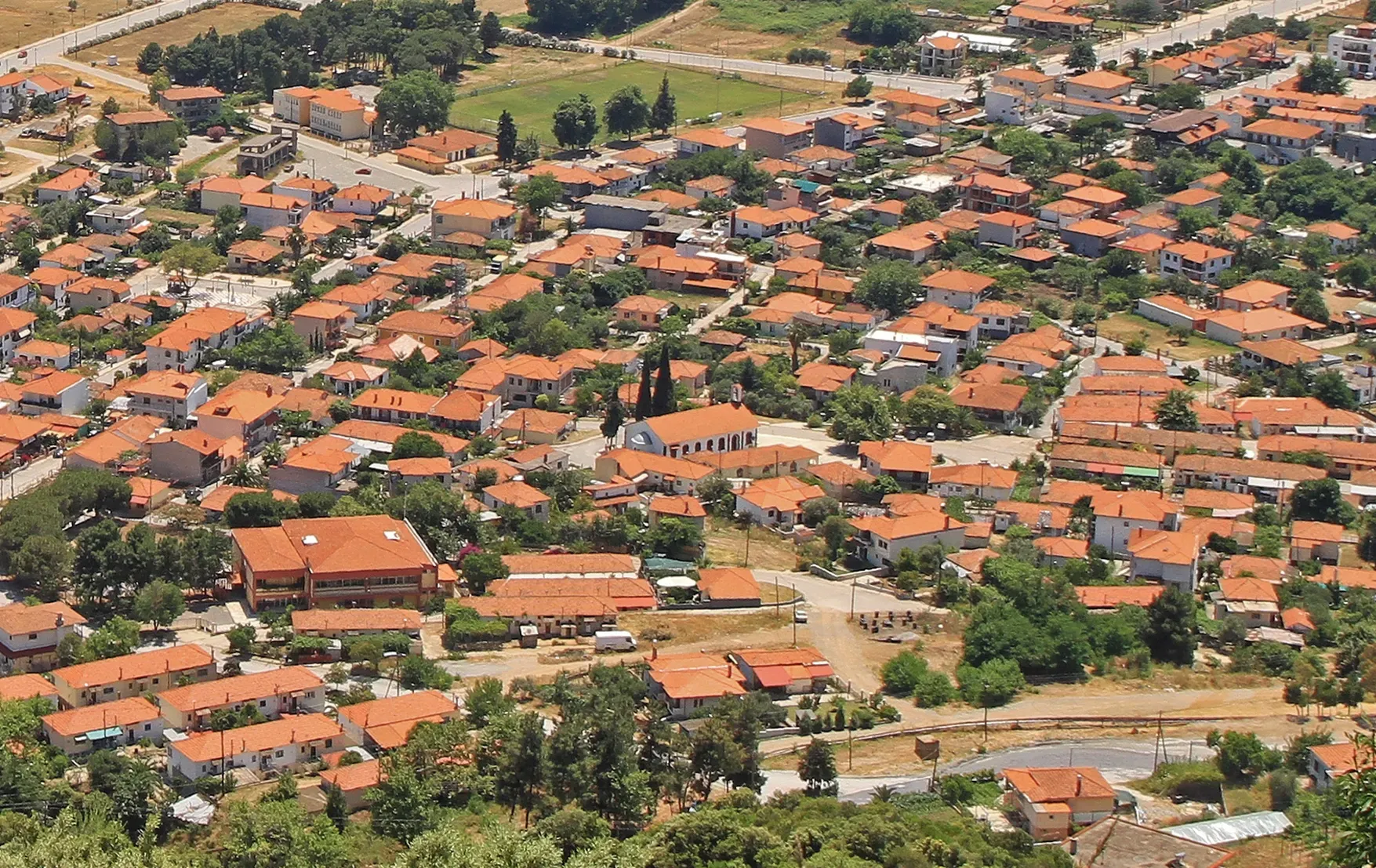
A short distance from Stageira and Olympiada, Stratoni is a characteristic example of a settlement that developed in close connection with mining activity. Its modern history took shape largely after the Asia Minor Catastrophe, when refugees from Balia-Madem in Asia Minor settled here, many of whom were already connected with work in the mines. After the 1932 earthquake, the settlement was rebuilt. The houses of Stratoni are said to have been designed by the architect Konstantinos Doxiadis, known for his work at Aspro Spitia in Boeotia.
The place is also connected with the story of the real Alexis Zorbas, who inspired Nikos Kazantzakis's famous hero, as he worked here for a time as a miner. There's a special reference to Nikos Kavvadias in Stratoni, where the fence of the open basketball court is decorated with musical notes from “Fata Morgana,” the set-to-music poem in which the great poet mentions the village. In 2010, the court even took his name and a statue of him was unveiled, honoring his connection with the place.
Gomati
Gomati is a village for those who want to discover the quieter side of northeastern Halkidiki. It's surrounded by farmland and green hills, while the wider area offers access to beaches such as Develiki and Kastri. It's a stop that ideally combines the hinterland with the coastline.
Ouranoupoli and Ammouliani
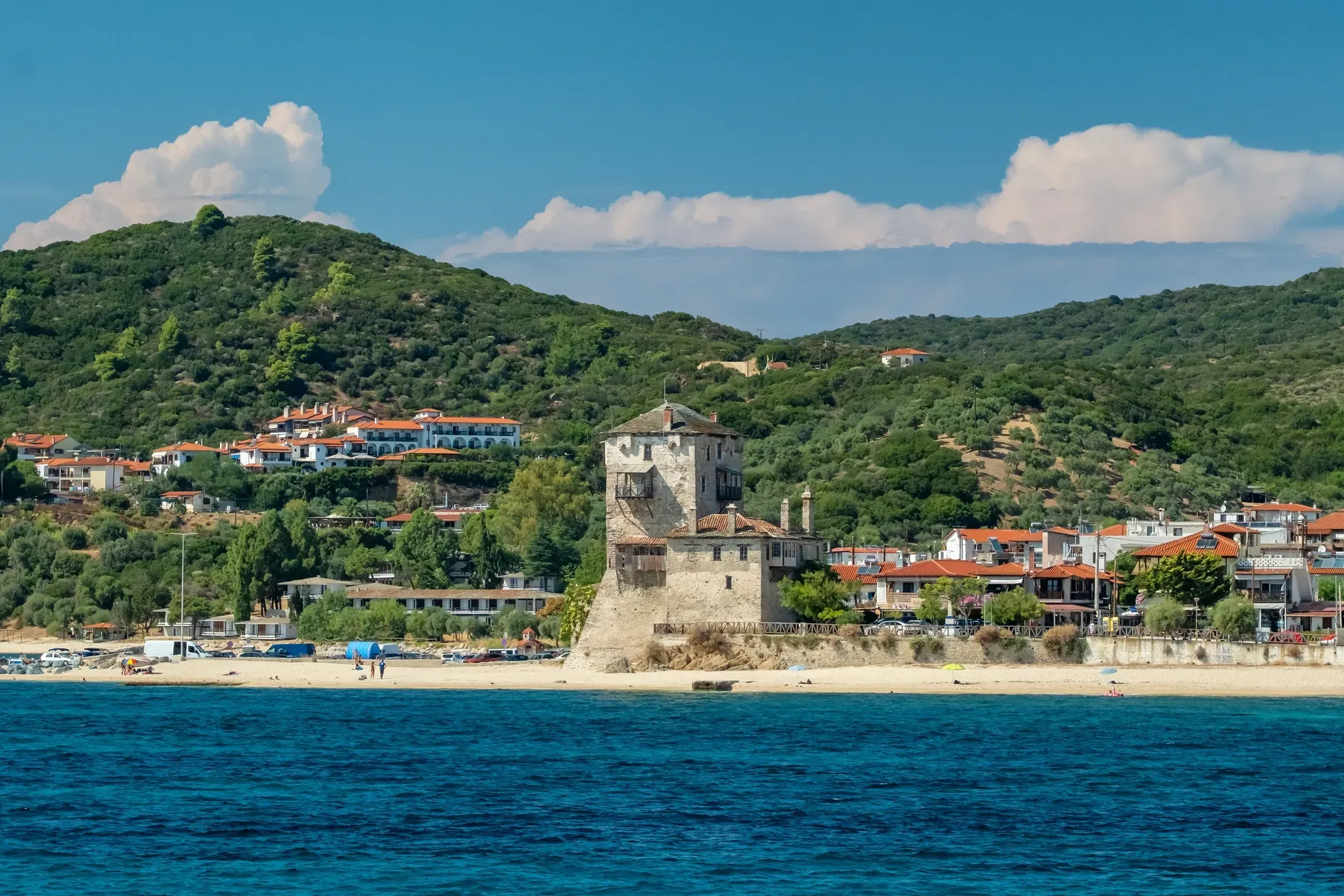
At the threshold of the Athos peninsula, Ouranoupoli is known as the gateway to Mount Athos. Its landmark is the Byzantine Tower of Prosforio, which dominates near the harbor and recalls the area's centuries-old history. From here, boats depart to tour the monasteries on the western side of Mount Athos, offering a unique acquaintance with the monastic state from the sea.
The area combines religious tourism with beautiful beaches, walking routes, and easy access to Ammouliani and the Drenia islets. Ammouliani is the only inhabited island in Central Macedonia and belongs administratively to the Municipality of Aristotle. It lies opposite Trypiti, in the Gulf of Mount Athos, and is a small island destination with turquoise waters, sandy beaches, and lush green landscapes.
Routes through nature and the forests of Holomontas
Mountainous Halkidiki is a destination worth exploring by car as well as along its hiking routes. Holomontas, reaching an elevation of 1,165 meters, is one of Halkidiki's most important mountain masses, with chestnut, beech, oak, and pine forests, streams, springs, and small clearings creating a landscape that changes color with the seasons. The trails of Eastern Halkidiki are attracting more and more nature lovers year after year.
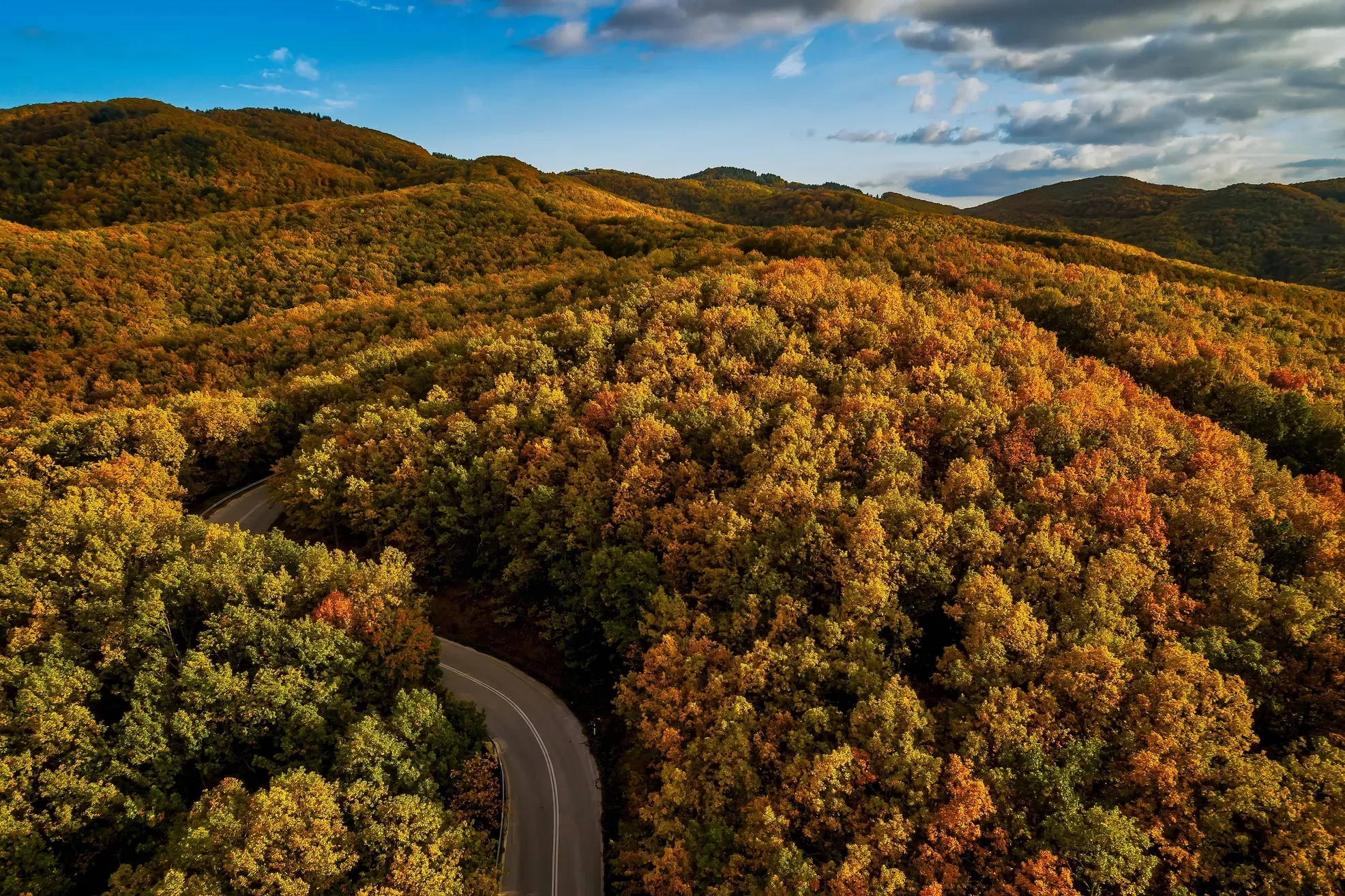
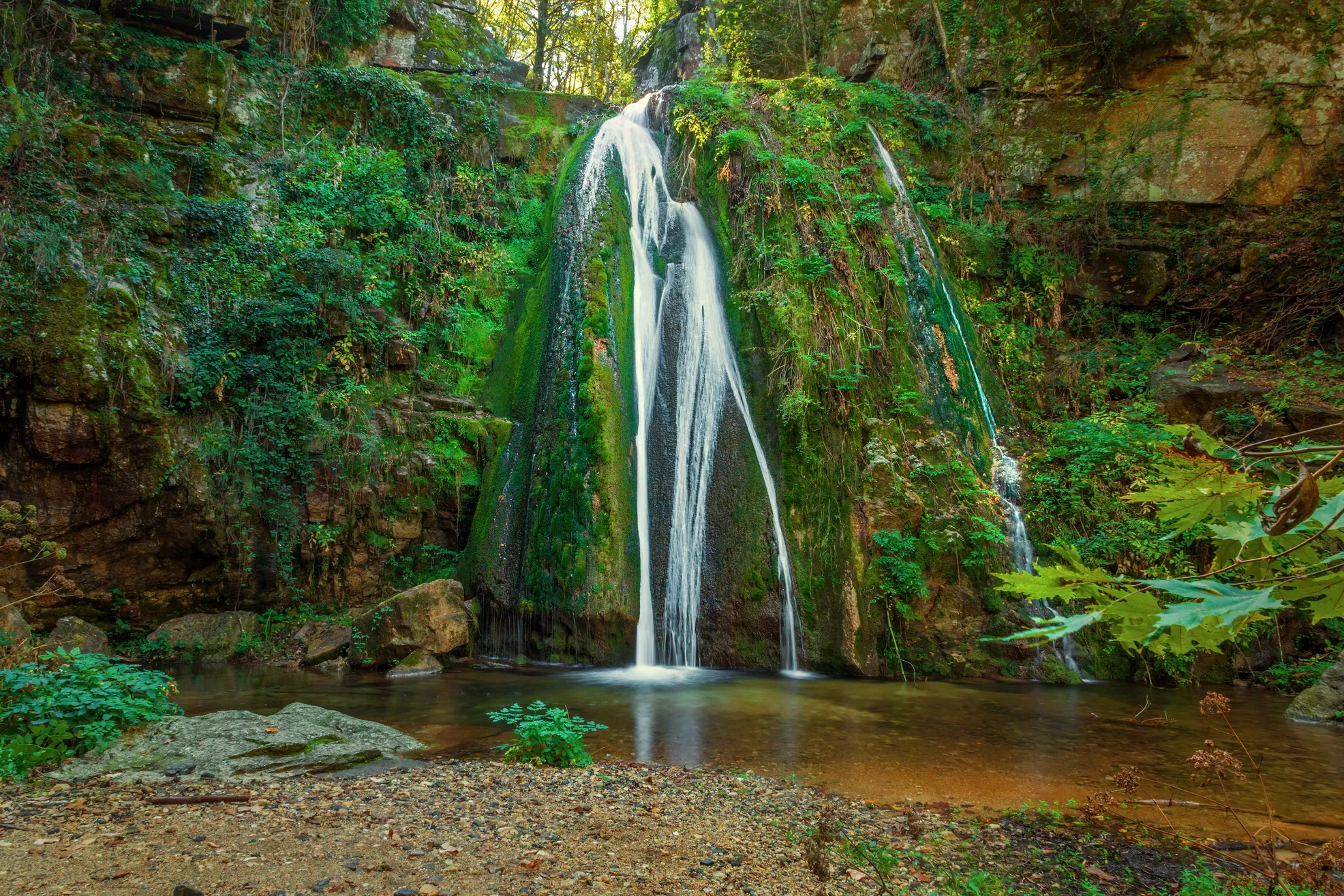
A route starting in Arnaia can continue towards Taxiarchis and Varvara, with stops for walking and exploration of the natural environment. The Varvara Waterfalls, amid dense vegetation, are a standout experience, while around Taxiarchis the fir forests impress. One of the most interesting experiences for those who want to get to know Eastern Halkidiki through its nature and history is the Aristotelian Walk. The main route links Aristotle's Park, Halkidiki's only theme park in Stageira, with the archaeological site of Ancient Stageira, passing through landscapes with rich vegetation and views of the Aegean.
At the same time, a wider network of trails connects six communities in the area - Olympiada, Varvara, Neochori, Stageira, Stratoniki, and Stratoni - offering opportunities for hiking and exploration beyond the seaside destinations. In the same spirit are the «Roads of Alexis Zorbas», which follow the paths around Palaiochori to the Byzantine Neposi Castle, in an aromatic landscape of thyme, oregano, and wild vegetation.
The region's mining history
Northeastern Halkidiki boasts a mining history of about 25 centuries. According to historical sources, metal extraction in the area began as early as the 6th century BC, while the use of mineral resources continued during the Roman, Byzantine, and Ottoman periods. The region's mineral wealth fits into the wider economic framework of ancient Macedonia, which flourished under Philip II and Alexander the Great. It's even rumored that mining activity helped finance Alexander the Great's campaigns.
During Byzantine times, Siderokavsia developed into an important mining center. Later, the Mademochoria were closely connected with the exploitation and processing of ores. The name “Kassandra Mines” appears in 1893 and is used to this day. The Kassandra Mines are located in northeastern Halkidiki, within the administrative boundaries of the Municipality of Aristotle, and today include: the emblematic Skouries copper-gold mine, the modern producing Olympiada mine of gold, silver, lead, and zinc, the Kokkinolakkas dry-stack tailings storage area, the Stratoni port and storage facilities, as well as the Mavres Petres mine, which since late 2021 has been in care and maintenance.
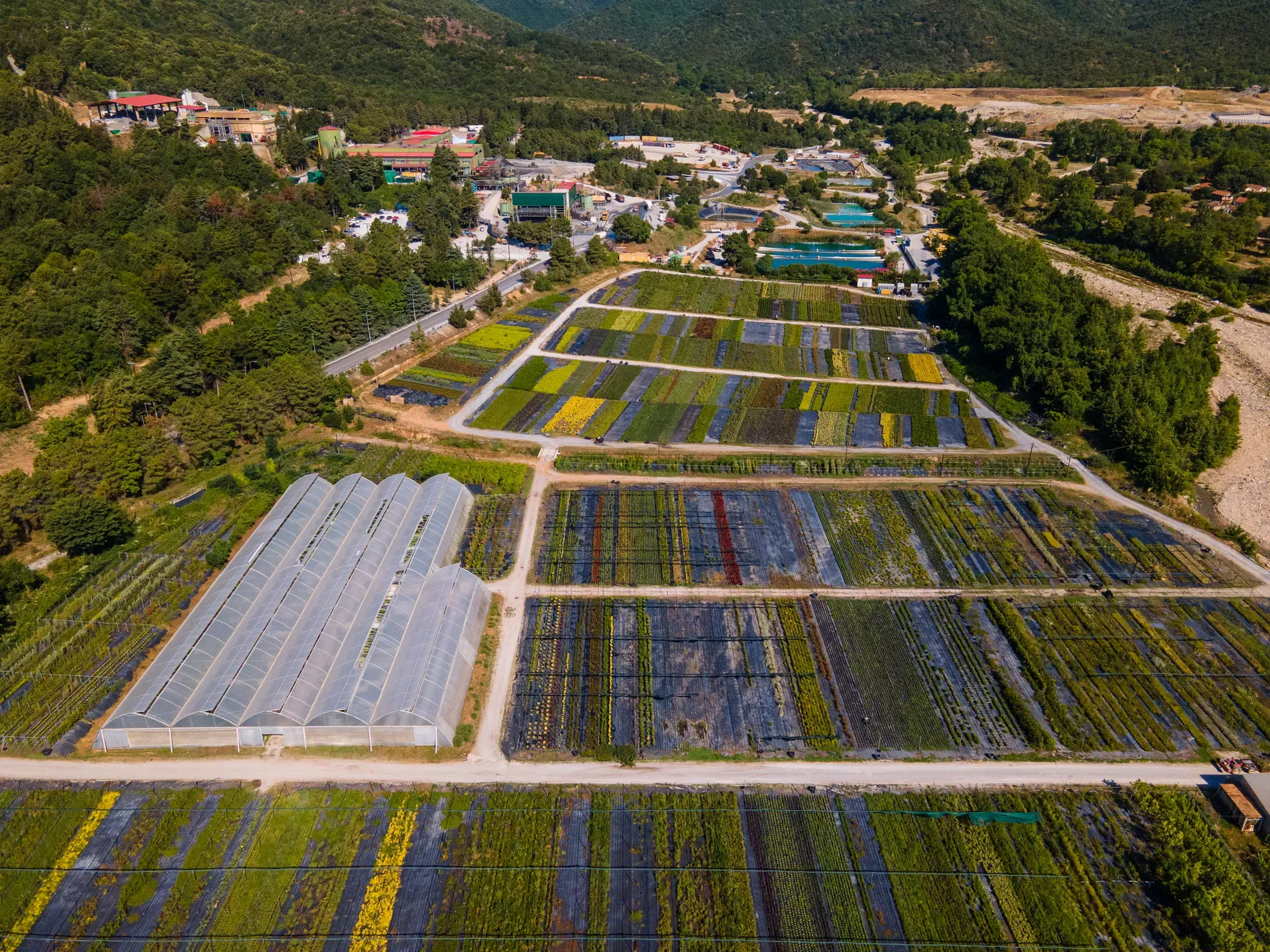
Hellas Gold has operated the Kassandra Mines since 2004, investing in and creating a world-class mining center for gold, copper, silver, lead, and zinc, with significant contribution to both the local and the national economy. Emphasis is placed on a sustainability strategy, with safe production, social engagement, and environmental management. In this context, the company implements a comprehensive Corporate Social Responsibility plan focused on improving residents' quality of life and enhancing everyday life in all Halkidiki villages, through actions and initiatives that respond to the needs of local communities. Today, the mining potential of the Halkidiki area ranks among the most significant in Europe and can position our country as one of the most important producers of copper and gold internationally. Understanding the mining history adds an important dimension to our exploration of the area, as behind the villages, forests, and archaeological monuments lies a long path of people and activities that shaped the identity of northeastern Halkidiki.
Local flavors
Gastronomy is an integral part of a trip to Eastern Halkidiki. In Arnaia, honey is one of the area's most emblematic products, with varieties such as pine honey, blossom honey, chestnut honey, and heather honey. It's also worth trying moudovina, the traditional honey distillate, as well as local wines. Don't miss a sweet stop for traditional touloumpes. In the tavernas of the mountain villages, look for dishes with Holomontas mushrooms, homemade pies, local cheeses, and traditional meat recipes. Stamnato, mushroom pies, zucchini-blossom fritters, and spoon sweets are characteristic flavors of the local cuisine.
Heading down towards Olympiada, the table takes on a seafood character, with the area's famous mussels served steamed, in saganaki, or in mussel pilaf. In Ammouliani and the seaside villages, fresh fish and seafood meze round out a gastronomic experience that harmoniously unites mountain and sea.


